


After procedures like LASIK, vitrectomy, or cataract surgery, patients are often advised to use lubricating eye drops regularly. To some, that recommendation sounds simplistic.

This uncommon eye surgery replaces the vitreous gel inside the eye. While it can dramatically reduce floaters, the decision to proceed requires careful consideration.

Learn what causes eye floaters, how they appear, and when to seek care. Understand symptoms, risks, and treatment options for persistent floaters.

Regaining Sight After Cataracts
Explore cataract surgery options, lens types, and what to expect when regaining vision—tailored to individual needs and explained in clear terms.

Journey Through Diminishing Vision
Discover how Björn navigates declining vision caused by vitreous membrane detachment and early-stage cataracts, seeking coping strategies along the way.

How do you teach someone to read when what they see, hear, and write differs from what other students perceive?
See Optometrist vs Ophthalmologist
Floaters, glaucoma, retinal holes, and cataracts go beyond regular care of optometrists. They can, however, be the first to recommend specialists.

Confidently Facing Total Darkness
Loss of sight is not the end of the world. Visit the domain of the blind and discover how those without vision adapt.

Sometimes, what looks like a floater is actually an eyelash or eyebrow hair hanging within your field of view. What if something is within your eye?

Eyeglass lenses distort your field of vision to correct curvature anomalies and sometimes alter your perception of reality.

Children’s Eye Health and Safety
Telltale signs of vision problems are squinting, headaches, lack of concentration, or reading comprehension.
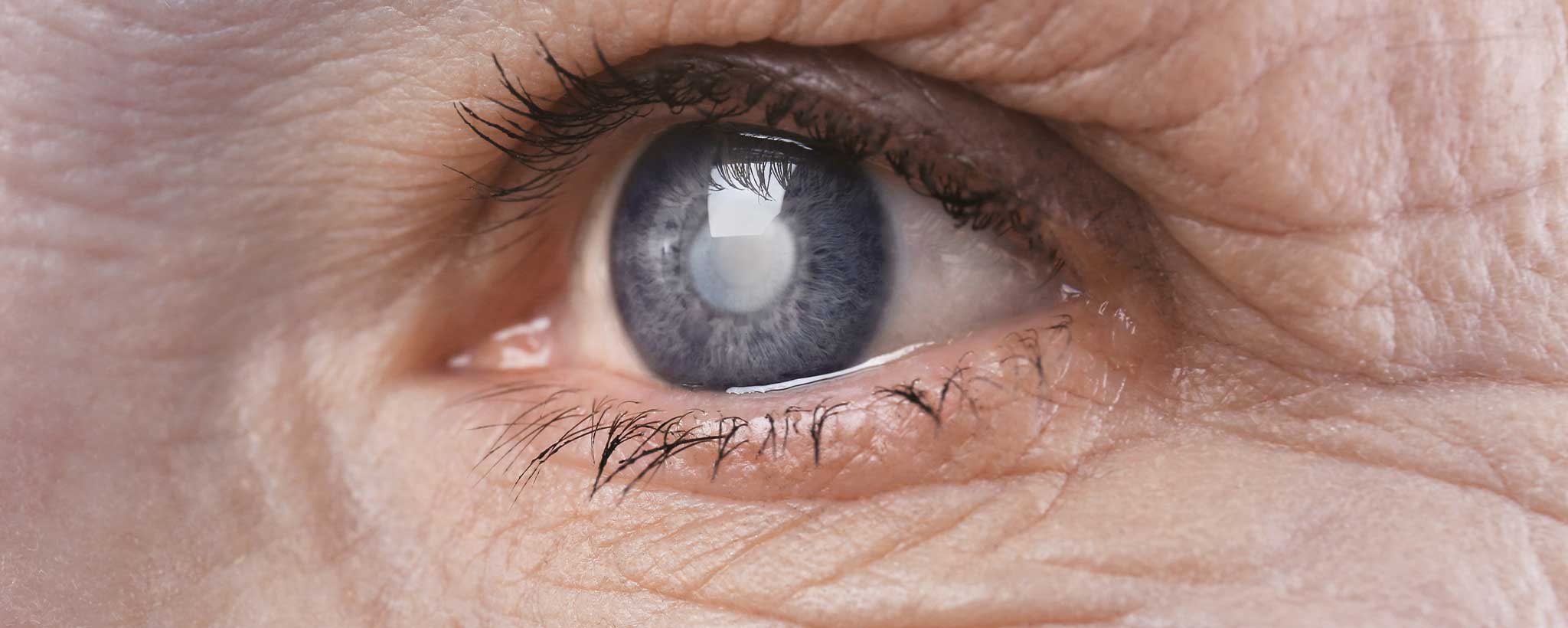
Don’t wait for noticeable eye problems. Preventglaucoma by having regular exams and eating healthy.


Better Focus On Aging Eyesight
As adults reach the age of 40, deteriorating vision hinders the ability to focus at a comfortable reading distance. Learn how progressive lenses differ from bifocals.
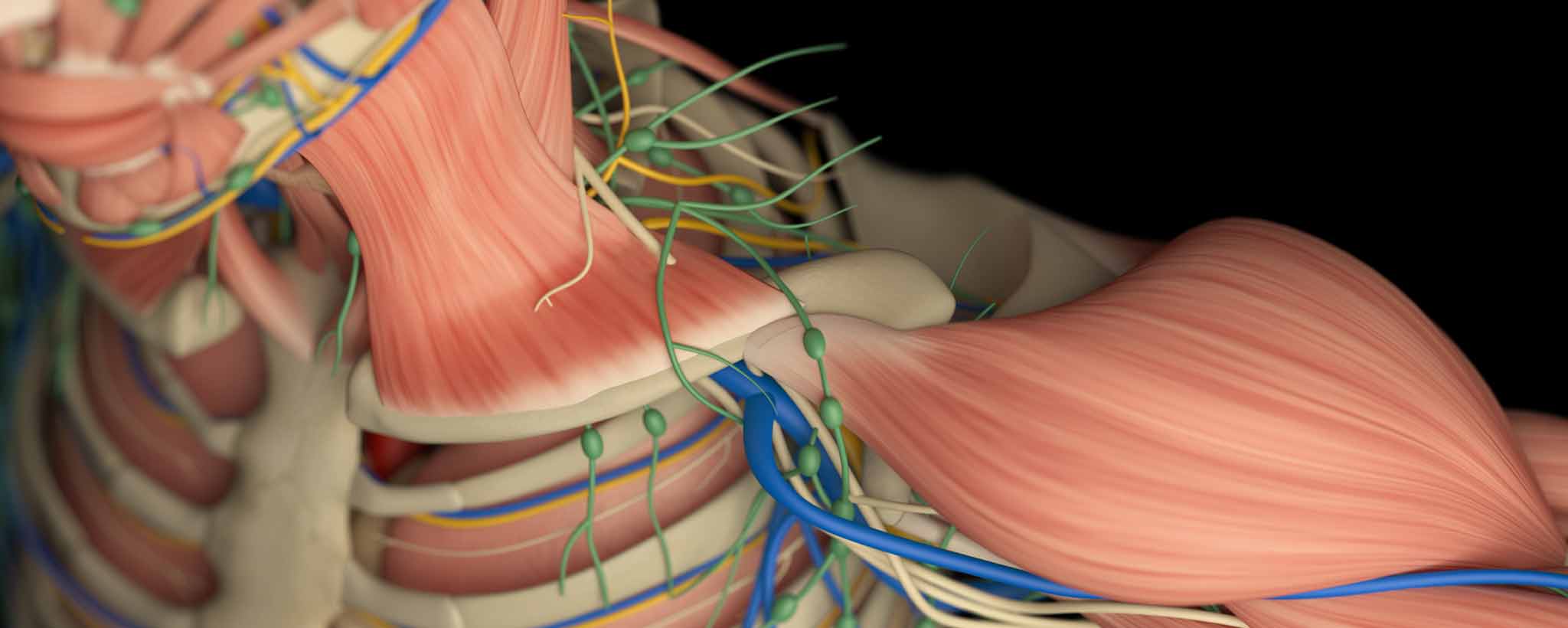
Early Warning Signs and Symptoms of Lymphoma
Healthcare physicians and patients need to be diligent for early diagnosis, using multidisciplinary medical treatment of blood cancers affecting the lymphatic system.

Functioning with very little sleep is not a virtuous work habit. Deep sleep improves productivity. Could this be the reason you’re so groggy, cranky, and obnoxious?
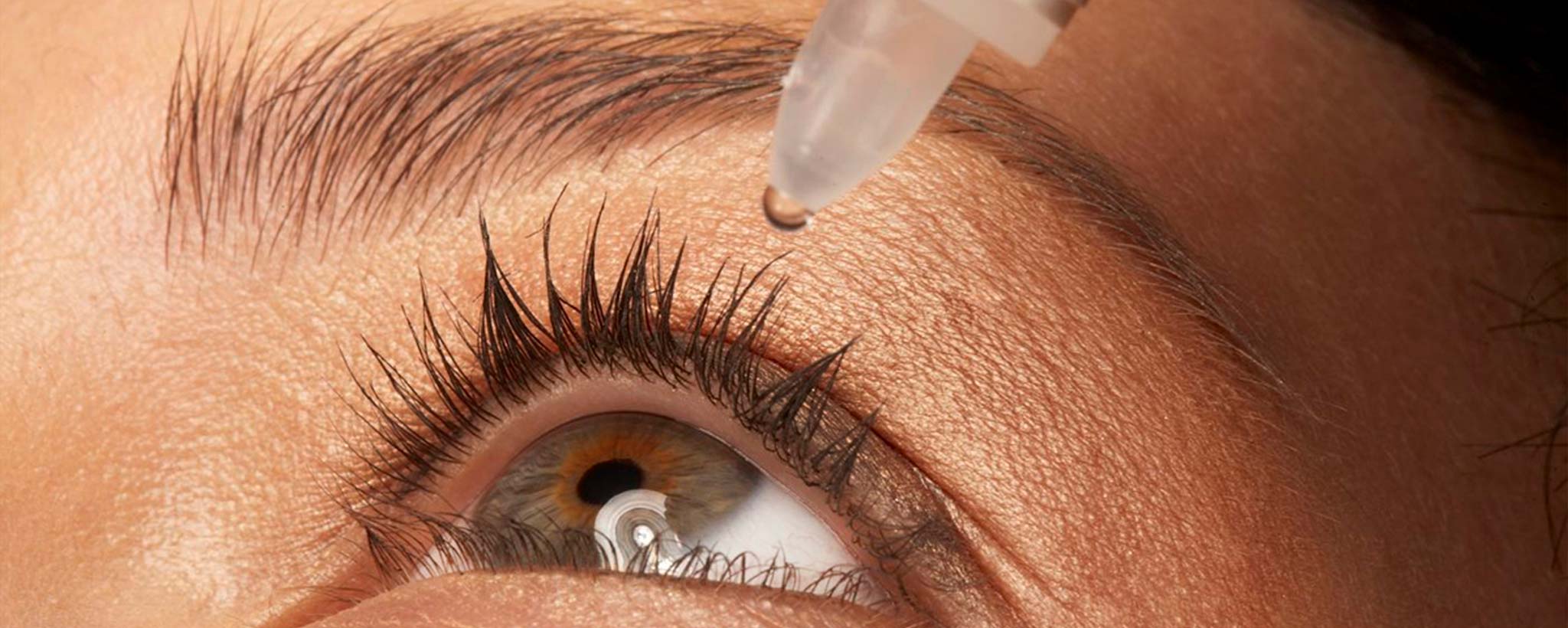
When eyes are so dry they hurt and vision is blurred, it’s wise to seek an eye care professional. Patient response to antibiotics may help diagnose this autoimmune disorder.
Featured authors and reviewers
This information does not constitute professional medical care or legal advice. Discuss personal concerns with your doctor or legal advisor.