
Publish 6 September 2022
Organically occurring within many foods you eat, too many oxalates can lead to health problems. Discuss these oxalate-reduction strategies with a medical professional.
Should You Lower Oxalate Consumption?

Your body naturally produces and eliminates a salt called oxalate, but in high amounts, this can have adverse effects. Some people, more sensitive to oxalates, may be prone to developing kidney stones or perhaps one of several forms of hyperoxaluria or oxalosis (kidney failure). Hyperoxaluria is a disease caused by a pathologic hyperabsorption of dietary oxalate leading to its elevated excretion through the urinary tract. [1]

Both plant-based diners and meat eaters can develop kidney stones. The incidence of kidney stones is higher among high-intake meat eaters. Vegetarians have a lower risk of developing kidney stones compared to consumers of large amounts of meat.
Many high-oxalate foods are common sources of protein, vitamins, and fiber among vegans and vegetarians. Meat, chicken, and fish are not sources of oxalate. Your body’s elevation in oxalates may be due to excessive Vitamin C (ascorbic acid) metabolism, improper diet, or the body’s natural metabolism. [2]
Severe Restrictions
The dietary challenge patients face is that some foods with oxalates also contain essential vitamins and minerals. For example, high-oxalate foods like spinach, almonds, cashews, peanut butter, and tofu provide magnesium. [3]
Correcting an imbalance of oxalates is not as simple as taking vitamin or mineral supplements. As mentioned, high-dosage Vitamin C or magnesium can contribute to oxalate elevation and kidney stone formation. Careful food selection is necessary to minimize renal oxalate levels.
Adding lemon to water can be beneficial. Such bioactive water helps neutralize acid within the urine to prevent calcium stones from forming. Aim to drink the juice from one small lemon or lime in your water throughout the day. [4]
Most people get between 200 and 300 mg of oxalates daily. If you’re among the 10% of the population who is at risk for kidney stones, endeavor to consume less than 100 mg per day. Doctors may recommend “low-oxalate diets” of less than 50 mg daily for some people. [5]
A low-oxalate lifestyle is more restrictive than a typical vegan diet. With a very low oxalate restriction, you may strive to consume only low-category foods with single-digit oxalates.
Oxalate Categories
- Low: 1–9 mg per serving
- Moderate: 10–25 mg per serving
- High: 26–99 mg per serving
- Very high: 100+ mg per serving
Common Food Oxalates
(Tap header to sort) [5-11]
| Food | Category | Mg | Type | |
|---|---|---|---|---|
| Acorn squash (½ cup) | Low | 1 | Veggies | |
| Apple (1) | Low | 1 | Fruit | |
| Arugula (1 oz) | Low | 7 | Veggies | |
| Banana (1) | Low | 3 | Fruit | |
| Beer (1 can) | Low | 4 | Beverage | |
| Biscuit (1) | Low | 6 | Grain | |
| Blueberries (½ cup) | Low | 2 | Fruit | |
| Bok choy raw (½ cup) | Low | 1 | Veggies | |
| Broccoli (½ cup) | Low | 1 | Veggies | |
| Butternut squash (½ cup) | Low | 5 | Veggies | |
| Cabbage (½ cup) | Low | 1 | Veggies | |
| Carrot (cooked) | Low | 7 | Veggies | |
| Catsup/ketchup (1 Tbsp) | Low | 1 | Condiment | |
| Cauliflower (½ cup) | Low | 1 | Veggies | |
| Celery (1 raw stalk) | Low | 3 | Veggies | |
| Chicken (3 oz) | Low | 0 | Protein | |
| Cherries (½ cup) | Low | 3 | Fruit | |
| Chickpea, Garbonzo (3.5 oz) | Low | 2.4 | Veggies | |
| Cranberries (½ cup dried) | Low | 1 | Fruit | |
| Coffee (1 cup) | Low | 1 | Beverage | |
| Corn (½ cup) | Low | 1 | Veggies | |
| Cracker (1) | Low | 1 | Snack | |
| Cucumber (¼ cup) | Low | 1 | Veggies | |
| Edamame (1 cup) | Low | 7 | Veggies | |
| Grapes (½ cup) | Low | 1 | Fruit | |
| Green pepper (1 ring) | Low | 1 | Veggies | |
| Honey (1 Tbsp) | Low | 0 | Condiment | |
| Kale (1 cup) | Low | 2 | Veggies | |
| Lemon (1 wedge) | Low | 1 | Fruit | |
| Lettuce | Low | 0 | Veggies | |
| Lime (½) | Low | 3 | Fruit | |
| Mac and cheese (1 cup) | Low | 4 | Grain | |
| Mayonnaise (1 Tbsp) | Low | 0 | Condiment | |
| Mixed vegetables (½ cup) | Low | 4 | Veggies | |
| Mung beans (½ cup) | Low | 3 | Veggies | |
| Mushrooms (1 oz) | Low | 0 | Veggies | |
| Mustard (1 tsp) | Low | 1 | Condiment | |
| Nectarine (1) | Low | 0 | Fruit | |
| Oatmeal cereal (1 cup) | Low | 0 | Grain | |
| Oatmeal cookie (home) | Low | 2 | Snack | |
| Oatmeal cookie (store) | Low | 4 | Snack | |
| Onions (1 oz) | Low | 0 | Veggies | |
| Orange juice (1 cup) | Low | 2 | Beverage | |
| Orzo pasta (½ cup) | Low | 3 | Grain | |
| Peach (1) | Low | 0 | Fruit | |
| Peas (½ cup) | Low | 1 | Veggies | |
| Pear (1) | Low | 2 | Fruit | |
| Pepper black (⅛ tsp)* | Low | 0 | Spice | |
| Pepper white (⅛ tsp) | Low | 0 | Spice | |
| Pineapple juice (1 cup) | Low | 3 | Fruit | |
| Pineapple (1 cup) | Low | 4 | Fruit | |
| Plum (1) | Low | 0 | Fruit | |
| Radish (10) | Low | 0 | Veggies | |
| Rice white (3.5 oz) | Low | 4.6 | Grain | |
| Soy Sauce (1 Tbsp)* | Low | 3 | Condiment | |
| Spaghetti squash (½ cup) | Low | 3 | Veggies | |
| String beans (½ cup) | Low | 9 | Veggies | |
| Strawberries (½ cup) | Low | 2 | Fruit | |
| Tea (brewed green) | Low | 1 | Beverage | |
| Tortilla (1) | Low | 8 | Grain | |
| Turkey (5 oz) | Low | 0 | Protein | |
| Water chestnuts (4) | Low | 0 | Veggies | |
| Watermelon (1 slice) | Low | 1 | Fruit | |
| Yogurt plain (1 cup) | Low | 2 | Dairy | |
| Zucchini (½ cup) | Low | 1 | Veggies | |
| All-purpose flour (1 cup) | Moderate | 17 | Grain | |
| Avocado (1) | Moderate | 19 | Fruit | |
| Carrot raw (1) | Moderate | 10 | Veggies | |
| Celery cooked (1 cup) | Moderate | 10 | Veggies | |
| Chicken enchilada (1) | Moderate | 13 | Protein | |
| Chocolate chip cookie (store) | Moderate | 10 | Snack | |
| Collards (1 cup) | Moderate | 10 | Veggies | |
| Cucumber (3.5 oz) | Moderate | 20 | Veggies | |
| Couscous (1 cup) | Moderate | 15 | Grain | |
| Navy beans (1 cup) | Moderate | 24 | Protein | |
| Olives (10) | Moderate | 18 | Veggies | |
| Peanut butter (1 Tbsp) | Moderate | 13 | Protein | |
| Pecans (1 oz) | Moderate | 10 | Protein | |
| Pistachios (48) | Moderate | 14 | Protein | |
| Pumpkin seeds (1 cup) | Moderate | 17 | Protein | |
| Rice brown (½ cup) | Moderate | 10 | Grain | |
| Spaghetti pasta (3.5 oz) | Moderate | 14 | Grain | |
| Tahini (1 Tbsp) | Moderate | 16 | Protein | |
| Tempeh (3 oz) | Moderate | 23 | Protein | |
| Tomato sauce (½ cup) | Moderate | 17 | Veggies | |
| Veggie burger (1) | Moderate | 24 | Protein | |
| Beets (½ cup) | High | 76 | Veggies | |
| Brown rice flour (1 cup) | High | 65 | Grain | |
| Brown wheat flour (1 cup) | High | 29 | Grain | |
| Candies w/nuts (2 oz) | High | 38 | Snack | |
| Cornmeal (1 cup) | High | 64 | Grain | |
| Cashews (18) | High | 49 | Protein | |
| Chili beans (1 cup) | High | 24 | Protein | |
| Chocolate syrup (2 Tbsp) | High | 38 | Snack | |
| Cocoa (4 tsp) | High | 67 | Snack | |
| French fries (½ cup) | High | 51 | Veggies | |
| Grits (1 cup) | High | 97 | Starch | |
| Hot chocolate (1 cup) | High | 65 | Beverage | |
| Lasagna pasta (3.5 oz) | High | 27 | Grain | |
| Orange (1) | High | 29 | Fruit | |
| Peanuts (1 oz) | High | 27 | Protein | |
| Pine nuts (1 oz) | High | 28 | Protein | |
| Pineapple (canned) | High | 30 | Fruit | |
| Potato chips plain (3.5 oz) | High | 73 | Snack | |
| Potato baked (1) | High | 97 | Veggies | |
| Potato (1 cup mashed) | High | 29 | Veggies | |
| Raspberries (1 cup) | High | 48 | Fruit | |
| Soy burger (1) | High | 58 | Protein | |
| Sweet potato (1 cup) | High | 28 | Veggies | |
| Yam (½ cup) | High | 40 | Veggies | |
| Almonds (24) | Very High | 122 | Protein | |
| Bell pepper (3.5 oz) | Very High | 117 | Veggies | |
| Parsley (1 oz) | Very High | 486 | Beverage | |
| Soy beverage (1 cup) | Very High | 336 | Beverage | |
| Spinach (½ cup cooked) | Very High | 656 | Veggies | |
| Spinach (½ cup raw) | Very High | 755 | Veggies | |
| Tofu firm w/calcium (3.5 oz) | Very High | 235 | Protein | |
| Textured vegetable protein (TVP) | Very High | 496 | Protein | |
| Weight conversations: 1 oz ≈ 28.35 g | 3.5 oz ≈ 100 g | 1 cup ≈ 250 g. | ||||
Special Oxalate Considerations
* Though pepper (3400 mg per 100 g), parsley (1700 mg per 100 g), and chives (1480 mg per 100 g) are extremely high-oxalate foods, they are generally consumed in negligible quantities. Avoid too many salty foods.
A cup of soy milk or yogurt can have up to 336 mg of oxalates per serving. Brown rice flour, bulgur, buckwheat, cornmeal, soy flour, and wheatberries are all high in oxalate.
In the tuber category, yams have considerably more oxalates than sweet potatoes. A baked russet potato (97 mg each) is higher than both of them. The best option is to reduce portions, remove skin, and boil. Either cook until soft and mash (29 mg per cup) or remove from water while firm, coat with olive oil, and then air fry or roast in the oven.
For salads, arugula, romaine lettuce, iceberg lettuce, kale, watercress, cabbage, mustard, turnip, and collard greens are all good choices. Wilting (cooking) fibrous greens lowers residual oxalates. [12,13] Homemade coleslaw is a nutritious option. To better gauge oxalate content, you should get used to eating foods in their whole form, rather than prepackaged processed foods.
Get yourself a food scale to monitor food portions. Consuming too much food with moderate amounts of oxalates can cause you to exceed your daily limits. It is possible to exceed a diet of 50 mg of daily oxalates with just 5 ounces of pecans or a large bag of potato chips.
The goal is for oxalate salts to pass through the intestines. Going through the renal system increases the chance of accumulating and crystallizing as kidney stones. Oxalates may also travel to other parts of the body—causing calcification within veins, arteries, or joints. Among other causes, expelling many oxalates within the urine may contribute to vulvodynia.
Extra sodium causes you to lose more calcium in your urine. Sodium and calcium share the same transport in the kidney, so if you eat high-sodium foods, it will increase calcium leakage in the urine. To decrease the chances of developing stones, lower your salt intake.
Importance of Calcium Balance
Calcium is an essential nutrient. Even a low-oxalate diet should include 800 to 1,200 mg of daily calcium. With inadequate calcium, oxalate concentration rises. When paired, the two bind and are eliminated from the body through the intestines. [10,13]
Dairy is free of oxalates, but high in calcium. Hence, a slice of cheese on a moderate-to-high oxalate peanut butter sandwich or soy burger binds with the oxalate for elimination. Calcium should always be paired with oxalate to achieve this benefit. Have a cup of milk with a meal or sprinkle nuts on a scoop of ice cream.

Though mac and cheese is low in oxalates, it contains calcium. So it’s best to consume foods with higher oxalate content.
Milk, hard cheese, yogurt, ice cream, sour cream, cream cheese, cottage cheese, buttermilk, custard, and pudding do not contain oxalates. Most types of pasta have at least moderate oxalates—the lowest being spaghetti. [14]
Dairy alternatives with the highest calcium include macadamia or rice beverages. Oat milk has similar characteristics to dairy milk (moderate calcium, potassium, and sodium with low oxalate). [15]
Sample Low-Oxalate Meal Plan
Breakfast: Rice and scrambled eggs with veggies. Cup of coffee with cream.
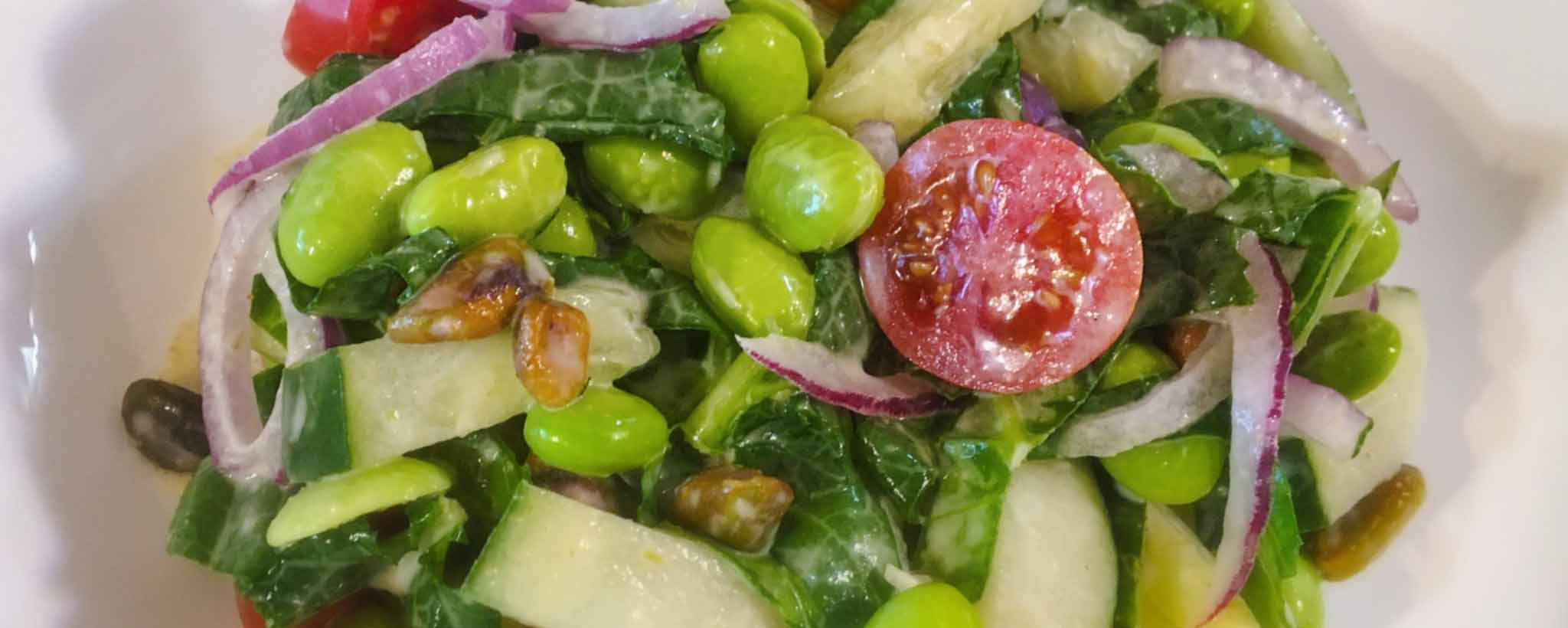
Lunch: Broiled chicken (or Impossible® burger with cheese slice). Salad made with cucumber, arugula, tomato, mushroom, and pistachio. 1 cup fruit juice.
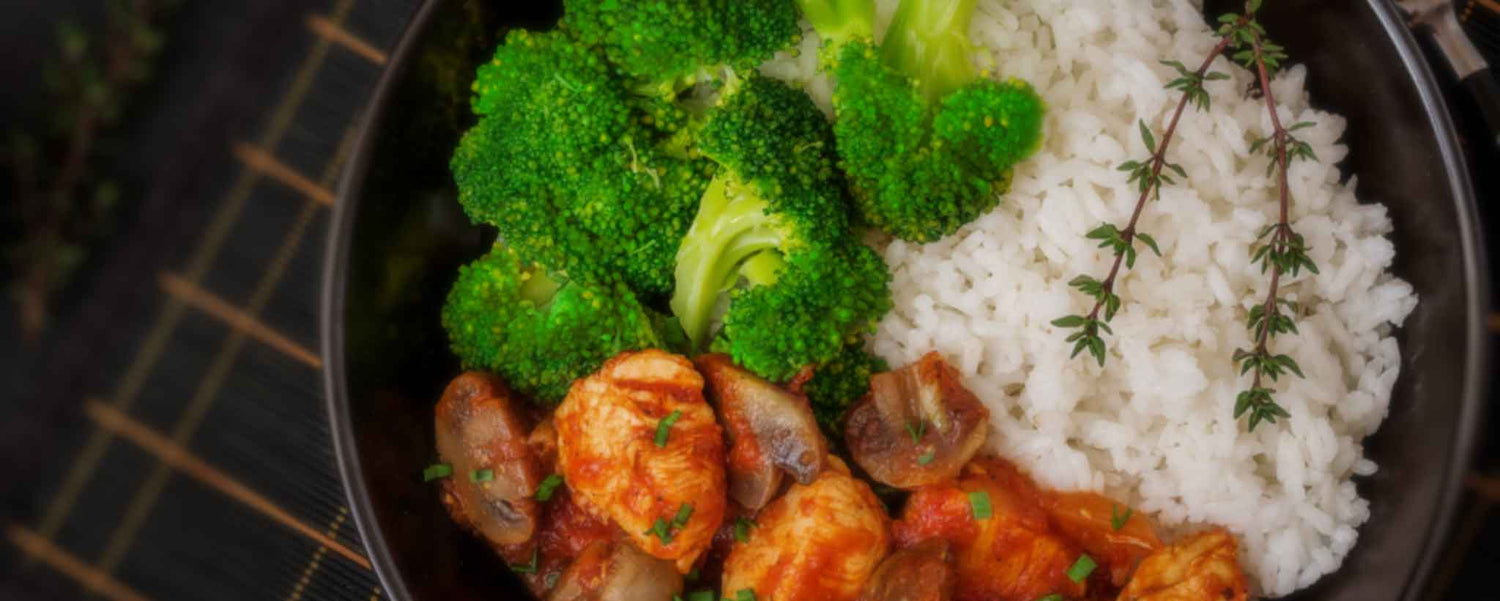
Dinner: Chicken (seitan) pieces sautéed in olive oil with broccoli, bell pepper, onions, garlic, and pasta. 1 cup dairy or oat milk.
Snack options: Four crackers, 1 Tbsp peanut butter, and 1 cheese slice. Air-popped popcorn. Apple, grapes, or nectarine.
Stone Composition
Hyperoxaluria may be hereditary. It can result from an intestinal disease or from eating too many oxalate-rich foods. Symptoms include [2]:
- Severe or sudden back pain
- Persistent pain below ribs on back flank
- Blood in the urine
- Frequent urge to urinate
- Pain when urinating
- Chills or fever
About 75 to 80% of kidney stones have a calcium oxalate composition. Kidney stone formation may occur once in a lifetime or become a chronic condition. Increasing water consumption resolves 50% of kidney stone issues. [16]

Before upending all of your meal preparation, your doctor may recommend obtaining a lab analysis of your urine or a kidney stone. In order of commonality, it could be calcium, struvite, uric acid, or hereditary crystalline stones.
Oxalic acid is typically found in either water soluble sodium or potassium oxalate foods, or insoluble calcium oxalate. Magnesium oxalate is also poorly soluble in water, although the contribution of this salt to the insoluble fraction of oxalate in food is unclear. Insoluble oxalates pass through the stool rather than remaining within your body. [17]
In a 2007 study by Ritter and Savage, roasted pistachio nuts and chestnuts contained very low levels (<85 mg/100 g fresh weight) of gastric soluble oxalate. Almonds, Brazil, and cashew nuts contained higher levels of intestinal soluble oxalate (216–305 mg/100 g). Pine nuts contained the highest levels of intestinal soluble oxalate (581 mg/100 g). [18]
The Mold Connection
Aspergillus mold species will produce oxalates during their fermentation process. Some specialists screen for this before implementing severe dietary changes. [19]
Breathing in air contaminated with mold spores causes spores to enter your mouth. If those swallowed spores take up residence within your gut microbiome, they can start producing oxalate-like molecules in your gut. Over time, this may create an elevated body burden of oxalates, triggering sensitivity to food-derived oxalates. [19,20]


 Romance & Health Intertwine. Fall in love with a captivating romance miniseries that explores the essence of well-being. Become a ClinicalNovellas member for heartwarming tales.


You may also experience occasional fatigue or dizziness. If you suspect Aspergillus mold triggered oxalate sensitivity, endeavor to remove the source of mold. Then balance your system with probiotics. Ingestion of probiotics that provide bacteria with oxalate-degrading capacity has led to promising but generally mixed results. [21]
If water intake does not resolve recurring kidney stones and lab tests confirm calcium oxalate is causing them, or you have a high oxalate count within your urine, a low-oxalate diet may be appropriate. In that case, it is best to consult a medical professional or registered dietitian who specializes in such meal planning. Some medical professionals may prescribe daily potassium citrate to help prevent chronic stone formation.
⚠️ Recognize that factors such as prescription medicines, environmental spores, or enlarged prostate may contribute to oxalate retention. Whenever you’re on a restrictive diet, there’s a danger of micronutrient depletion. Have your doctor periodically check vitamin levels—especially if you have excessive fatigue, joint pain, swelling, or any other unusual symptoms.
Enjoy more articles about nutrition here, or explore ClinicalInsights or ClinicalNovellas.
ClinicalPosters offers human anatomy charts, scientific posters, and other services that compliment articles about nutrition. Slide extra posters into DeuPair Frames without removing from the wall.
Show your support by leaving an encouraging comment to keep the research going.
Support the writing of useful articles about nutrition by exploring human anatomy charts, scientific posters, and other products online. You may sponsor specific articles.
ClinicalPosters provides human anatomy charts, scientific posters, and other products that compliment useful articles about nutrition.
ClinicalPosters offers human anatomy charts, scientific posters, and other products online.
You can sponsor scholarly articles about nutrition or donate to further research. Visible content is optimized for device size.
UPDATED 2026 – This article reflects editorial revisions since its original publication.
FAQ: Eating Low-Oxalate Foods
Should I lower oxalate consumption?
People who are sensitive to oxalates and more prone to developing kidney stones should lower oxalate consumption as directed by a physician.
What is the daily recommendation for a low-oxalate diet?
A common goal is less than 100 mg daily. Seek advice from your health provider. A sortable table with oxalate counts is available on this page.
What are the challenges of a low-oxalate diet?
Some foods high in oxalates also provide essential vitamins and minerals. For example, high-oxalate foods like spinach, almonds, cashews, peanut butter, and tofu provide magnesium.
Should all calcium be avoided in a low-oxalate diet?
Sodium and calcium share the same transport in the kidney, so if you eat high-sodium foods, it will increase calcium leakage in the urine. Even a low-oxalate diet should include 800 to 1,200 mg of daily calcium.
Should all high-oxalate foods be avoided?
Although some items like black pepper (3400 mg per 100 g) or parsley (1700 mg per 100 g) are extremely high in oxalates, they are often used in negligible amounts.
What is the result of high-oxalates in some people?
A medical condition called hyperoxaluria (absorption of too much dietary oxalate) may be hereditary. In such cases, eating too many oxalate-rich foods can result in kidney stone formation.
What are the symptoms of kidney stones?
Obstructing kidney stones can cause severe back pain, persistent pain below the ribs or along the back flank, bloody urine, frequent urge to urinate, pain during urination, and fever or chills.
Can I lose weight with a low-oxalate diet?
A low-oxalate diet is not necessarily for weight control. It can include healthy food options. Seek suggestions from your health practitioner for weight reduction.