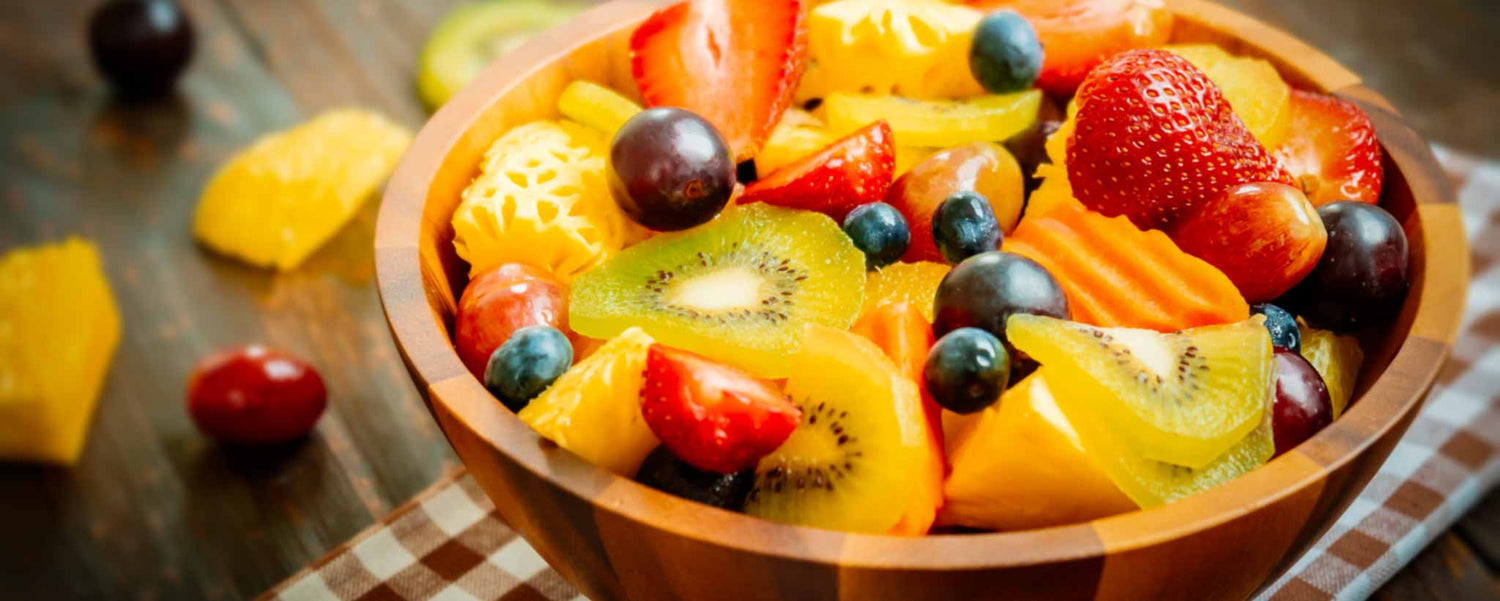
Although food choice is a personal preference, excluding some vital nutrients can lead to health issues.
Fruit Avoidance
He stands in line at a fresh-juice bar. Colorful, fruity drinks wiz by in the hands of patrons sipping them through straws. It’s Renald’s turn at the counter. Every other customer knows what they want before reaching this point, but he stares at the menu board against the wall.

“I want a protein drink. Vegan protein.”
“Sure, we can add that.”
He sifts through ingredients like a gold miner sifts sand.
“Some ice… and no dairy. Maple syrup. Cocoa powder—”
“We usually add bananas. What other fruit?”
Renald glances over his shoulder at the line extending out the door.
“No fruit.”
“None at all? Okay. Small or large?”
“Small.”
“Gotcha. Anything else?”
“No. That’s it.”
“To save time, just ask for the Cocoa Protein Smoothie sans fruit.”
“Oh, I missed that.”
The Limited Choices
Most of Renald’s friends view his diet as a mystery—hoping one day he’ll wake up with a chicken drumstick in his mouth. To avoid ridicule, he isn’t invited to barbecues. They try to cater to him for other meals with fruit bowls that he ignores. Whenever he tries to make his position clear, people don’t get it.
“I don’t eat fruit—just vegetables.”
“Oh. What about fish?”
“Not a vegetable.”
“No chicken either?”
“Only the ones that grow on trees.”
His personal restrictions serve him well when he prepares meals at home. After several years of what he calls healthy eating, he develops a pain in his side. It subsides when he takes over-the-counter pain medication, but returns days later.
A Doctor’s Advice
During a medical visit, Renald explains his symptoms, assuring the doctor that he eats very healthily.
“What do you consider healthy?” the physician asks.
“I’m vegan. Lots of spinach, protein smoothies, and green juices.”
“I commend your discipline. What types of fruit?”
“Don’t laugh. I don’t eat fruit.”
“History of diabetes?”
“No. Why do you ask?”
“Diabetics limit their sugar intake to regulate insulin. I’m looking at your medication list, and I don’t see anything that would limit citrus fruits.”
“It’s just a preference.”
“I always recommend a balanced diet with a variety of protein, grains, and vegetables.”
“Can’t I get the same nutrients from vegetables?”
“Certain plants provide protein. However, the vitamins from fruits and vegetables differ. Are you experiencing constipation?”
“Sometimes, yes.”
“That could be due to the lack of fruit. I’ll order some tests and discuss the results.”
“Thanks, Doc.”
The Diagnosis

The follow-up visit provides more enlightenment. Renald sits on the exam table, patiently waiting for the door to swing open. After thirty minutes, he enters.
“Hello, Renald. I have some interesting results.”
“Let me hear ’em.”
“Your oxalate levels are elevated—likely related to the amount of spinach you consume. That may explain the kidney stone causing your pain.”
“Spinach causes kidney stones?”
“Several foods do—in some people. Here’s a list. I’ll refer you to a urologist to follow up on the stone, and a nutritionist to help you with a balanced plant-based diet.”
Better Nutrition
The Registered Dietitian explains the benefits of fruits. They provide fiber, antioxidants, vitamins, and hydration. She outlines a meal plan.
“You appear healthy on the outside, but without fruits, you risk micronutrient deficits, kidney stone patterns, and immune weakness.”
“I don’t hate fruit. It just doesn’t appeal to me.”
“I suggest you add them to your smoothies. Then find a few fruits you can tolerate and have one daily.”
“Maybe I can mask the taste in a smoothie.”
“Juicing removes much of the fiber. Smoothies retain more fiber than juice, but whole fruits still provide better satiety and slower sugar absorption. Whole fruits are best. Another suggestion is to soak chia seeds to soften them, then add them to the juice.”


 Romance & Health Intertwine. Fall in love with a captivating romance miniseries that explores the essence of well-being. Become a ClinicalNovellas member for heartwarming tales.


“I’m not trying to be a difficult patient, but can’t I just take vitamin C tablets?”
“Tablets rarely replicate whole-food synergy.”
“Okay. I’ll try harder. Thanks for all the advice.”
A Speedy Recovery
The catheter that remains after Renald’s kidney stone surgery is uncomfortable. After removal, a few weeks later, he feels better and begins making dietary adjustments.
When he tells his friends that he’s easing into fruit, they begin serving him smoothies, fruit-infused water, fruit with protein pairings, baked fruits, and savory salads. He turns up his nose with a smile, but eats them.
His morning breakfast changes, too. He slices strawberries into his oatmeal and packs grapes for lunch, realizing fruit adds color, fiber, and better health.
Enjoy more articles about nutrition here, or explore ClinicalInsights or ClinicalNovellas. This character-driven ClinicalReads article pairs practical insight with the narrative style found in ClinicalNovellas membership fiction.
ClinicalPosters offers human anatomy charts, scientific posters, and other services that compliment articles about nutrition. Slide extra posters into DeuPair Frames without removing from the wall. This character-driven ClinicalReads article pairs practical insight with the narrative style found in ClinicalNovellas membership fiction.
Show your support by leaving an encouraging comment to keep the research going. This character-driven ClinicalReads article pairs practical insight with the narrative style found in ClinicalNovellas membership fiction.
Support the writing of useful articles about nutrition by exploring human anatomy charts, scientific posters, and other products online. You may sponsor specific articles. This character-driven ClinicalReads article pairs practical insight with the narrative style found in ClinicalNovellas membership fiction.
ClinicalPosters provides human anatomy charts, scientific posters, and other products that compliment useful articles about nutrition. This character-driven ClinicalReads article pairs practical insight with the narrative style found in ClinicalNovellas membership fiction.
ClinicalPosters offers human anatomy charts, scientific posters, and other products online. This character-driven ClinicalReads article pairs practical insight with the narrative style found in ClinicalNovellas membership fiction.
You can sponsor useful articles about nutrition or donate to further research. This character-driven ClinicalReads article pairs practical insight with the narrative style found in ClinicalNovellas membership fiction.
The situational settings convey plausible outcomes which may not reflect the experiences of actual individuals.
FAQ: Making nutritious fruit a regular part of your diet
Why are fruits important for overall health?
Fruits provide fiber, vitamins, minerals, water, and plant compounds that support digestion, heart health, immune function, and cellular repair. Regular fruit intake is linked with lower risks of certain chronic diseases when combined with a balanced lifestyle.
Is fruit juice as healthy as eating whole fruit?
Whole fruit usually offers more benefits because it contains intact fiber that slows sugar absorption and promotes fullness. Many juices are concentrated sources of sugar with less fiber, so they may spike blood sugar more quickly than whole fruit.
Can vitamin supplements replace fresh fruit completely?
Supplements can help fill specific nutrient gaps, but they do not fully replicate the complex mix of fiber and phytochemicals found in whole foods. Most people benefit from getting the bulk of their nutrients from a varied diet that includes fruits and vegetables.
Can avoiding fruit increase the risk of kidney stones?
In some cases, yes. Diets very high in certain vegetables, like spinach, may increase oxalate intake. Fruits such as citrus contain citrate, which may help reduce certain types of kidney stones. A balanced plant-based diet is important.
How much fruit should I eat per day?
Most dietary guidelines recommend about 1.5 to 2 cups of fruit per day for adults, depending on age, activity level, and overall calorie needs.
What if I don’t like the taste of fruit?
Start with mild options such as berries, apples, or pears. Pair fruit with protein or healthy fats, or incorporate it into oatmeal, yogurt, or salads. Gradual exposure can improve tolerance and preference.
Are there medical conditions that require limiting fruit?
Some individuals with diabetes, kidney disease, or specific metabolic disorders may need to monitor fruit intake. Always consult a healthcare professional for individualized guidance.