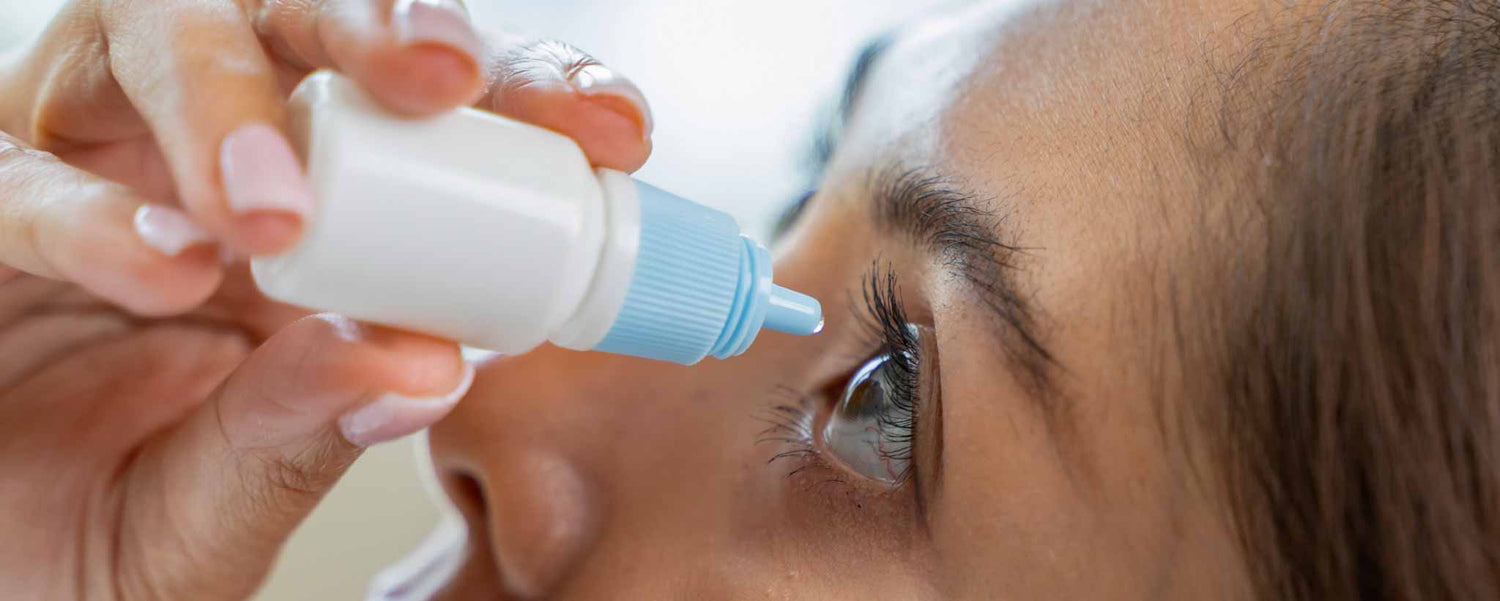
Before choosing another procedure, make sure your tear film isn’t the real culprit.
A Solution for Dry Eyes
Deborah has dry eye syndrome. Her lacrimal glands don’t produce enough tears to keep her eyes lubricated. They’re often red, occasionally itchy, and her vision becomes blurry—especially when reading. She wonders whether LASIK might sharpen her focus permanently.

At her appointment, the assistant begins with the eye chart and a quick pressure check before placing dilating drops. By the time her pupils widen, and the room feels brighter than usual, the doctor steps in.
“Hello, Deborah. How do you feel this morning?” the ophthalmologist asks.
“I’m fine. The sting from the drops is wearing off.”
After examining her eyes and ruling out structural problems, he sits back.
“Tell me what’s bothering you.”
“My eyes are blurry—mostly when I read.”
“You performed well on the chart, but my assistant noted that comment. Any dryness?”
“All the time. I’ve tried lubricating drops, but the relief is temporary. It’s basically sterile water, isn’t it?”
He smiles gently.
“Your eyes depend on a smooth tear film for clarity. Without it, microscopic irregularities on the surface distort light before it reaches the retina.”
“So LASIK won’t fix that?”
“LASIK reshapes the cornea. It doesn’t create moisture. In fact, dryness can temporarily worsen after LASIK.”
Post-Surgical Insight: After vitrectomy or cataract surgery, surface dryness can temporarily exaggerate blur—even when the internal structures are healing normally. Regular lubrication helps stabilize visual recovery.
She lowers her hand before rubbing her eye.
“What do you recommend?”
“Hydration. Preservative-free lubricating drops every one to two hours at first—especially during screen use. Let’s stabilize the surface before we talk about surgery.”
“And if the blur doesn’t improve?”
“Then you’ve built the habit you’ll need after surgery anyway.”
Why Moisture Improves Vision
The outermost layer of the eye is the tear film. It consists of:
- Oil layer (lipid) – prevents evaporation
- Water layer (aqueous) – hydrates and nourishes
- Mucus layer (mucin) – helps tears spread evenly
When this film is unstable:
- Light scatters
- Contrast decreases
- Reading becomes difficult
- Vision fluctuates
Artificial tears temporarily smooth the surface, reducing distortion and improving functional clarity.
Deborah purchases the recommended over-the-counter lubricating drops. During the next few weeks, irritation lessens, and clarity improves. The question becomes less about surgery—and more about whether her vision is now good enough.
Enjoy more articles about vision here, or explore ClinicalInsights or ClinicalNovellas. This character-driven ClinicalReads article pairs practical insight with the narrative style found in ClinicalNovellas membership fiction.
ClinicalPosters offers human anatomy charts, scientific posters, and other services that compliment articles about vision. Slide extra posters into DeuPair Frames without removing from the wall. This character-driven ClinicalReads article pairs practical insight with the narrative style found in ClinicalNovellas membership fiction.
Show your support by leaving an encouraging comment to keep the research going. This character-driven ClinicalReads article pairs practical insight with the narrative style found in ClinicalNovellas membership fiction.
Support the writing of useful articles about vision by exploring human anatomy charts, scientific posters, and other products online. You may sponsor specific articles. This character-driven ClinicalReads article pairs practical insight with the narrative style found in ClinicalNovellas membership fiction.
ClinicalPosters provides human anatomy charts, scientific posters, and other products that compliment useful articles about vision. This character-driven ClinicalReads article pairs practical insight with the narrative style found in ClinicalNovellas membership fiction.
ClinicalPosters offers human anatomy charts, scientific posters, and other products online. This character-driven ClinicalReads article pairs practical insight with the narrative style found in ClinicalNovellas membership fiction.
You can sponsor useful articles about vision or donate to further research. This character-driven ClinicalReads article pairs practical insight with the narrative style found in ClinicalNovellas membership fiction.
The situational settings convey plausible outcomes which may not reflect the experiences of actual individuals.
FAQ: Maintaining moisture for better vision
Why is eye moisture important?
The tear film creates a smooth optical surface. Without it, even minor surface irregularities distort incoming light and reduce clarity. Moisture also protects against irritation and infection.
Which type of eyedrops are best?
For routine lubrication, ophthalmologists often recommend preservative-free artificial tears rather than simple saline. Saline hydrates briefly but lack the viscosity and stabilizing agents that prolong relief. Patients with moderate to severe dryness may require prescription drops that reduce inflammation or stimulate tear production.
How often should eyedrops be used?
Mild dryness may require drops 2–4 times daily. During recovery from surgery or severe dry eye, drops may be needed hourly at first. Always follow your ophthalmologist’s instructions.
When should I seek treatment for dry eyes?
Seek evaluation when symptoms are persistent, progressive, or accompanied by pain, discharge, or visual decline. Post-operative patients should report new or worsening symptoms promptly.
Can dry eyes cause blurry vision even if the eye chart is normal?
Yes. Vision may test well in a controlled exam setting, but it fluctuates throughout the day as the tear film evaporates.
What surgical or procedural options exist for dry eyes?
Conservative measures are exhausted first. For persistent cases, specialists may recommend:
- Punctal plugs
- Thermal cautery
- Amniotic membrane therapy
- Scleral contact lenses
- IPL (Intense Pulsed Light)
- LipiFlow® thermal pulsation
- Meibomian gland probing
Rare and complex procedures, such as salivary gland transplantation, are reserved for extreme cases.