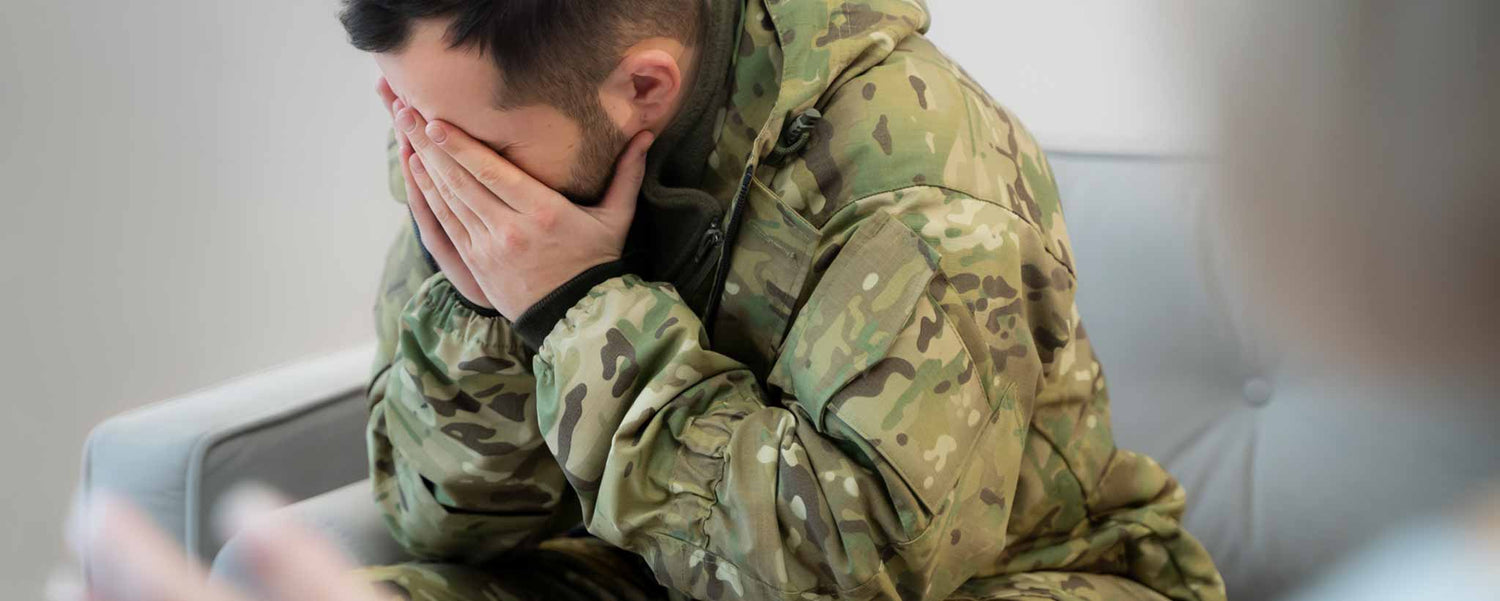
When an entire family faces trauma, recovery often requires support that goes far beyond home remedies.
Multiple Traumas
Jason had been a college football athlete with a promising future—until one devastating hit left him in a coma. After months of recovery, he joined the Army Reserves, hoping to reclaim a sense of discipline and purpose.
He never expected to be deployed on American soil. What began as a show of force to calm civil unrest quickly escalated when the guards came under gunfire. Overseas missions brought him even closer to danger.
Amid all this turmoil, he married Nikki. Together they raised two children, but Jason frequently awoke drenched in sweat—his eyes wild with leftover fear. Nikki soothed him with chamomile tea, trying to spare their kids from witnessing the episodes.

Then a school shooting changed everything. Hearing unconfirmed reports and unable to reach his children, Jason grabbed his old military gear and rushed to the campus. Police stopped him at the barricade, but his instinct was clear: protect his family at all costs.
Hours later, reunited with his shaken children, Jason spiraled into combat flashbacks. Soon, the entire household was waking from nightmares.
Treating PTSD
With anxiety saturating their daily lives, Nikki suggested counseling. Dr. Kelley welcomed them gently.
“Your experiences are far more common than they should be,” she told them. “The good news is—therapists now have extensive experience helping families through this.” [1]
Nikki exhaled. “We’re at a point where we don’t feel safe leaving the house.”
“I commend you for being here,” Dr. Kelley replied.
Jason rubbed his damp palms together. “How’s this supposed to work, Doc?”
“We’ll start by getting acquainted. Then we’ll consider therapy options and, if needed, medication to help manage anxiety or sleep.” [1]
After several sessions, Dr. Kelley outlined a treatment plan.
“Many patients achieve remarkable results with EMDR therapy, often combined with an anxiety-relief or sleep-support medication.” [2]
Jason frowned. “What’s that?”
“EMDR—Eye Movement Desensitization and Reprocessing—helps your brain respond differently to traumatic memories. You’ll follow certain eye movements or tapping patterns. Focusing on these actions reduces the emotional impact of the memories.” [2]
“That sounds… strange.”
“Don’t dismiss it yet. Other evidence-based therapies include Prolonged Exposure (PE) and Cognitive Processing Therapy (CPT). Support groups can also help.” [3]
“So which one’s best?”
“That depends on how trauma affects you. CPT, for example, helps people understand why they might feel guilt or shame after traumatic events.”
“I’m not ashamed,” Jason said. “I just can’t stop thinking about people dying around me—or being in a position where I have to take theirs.”
“Are you still active military?”
“No. I’m on leave from the Reserves. This treatment determines whether I return.”
“You’ll likely recover more fully if you avoid additional traumatizing environments.”
Jason nodded slowly. “If it helps, I can accept that.”
With time and treatment, the children began recovering after Nikki transitioned to homeschooling. Jason was honorably discharged from military service and focused on outdoor construction work—something steady, grounded, and far from combat.


 Romance & Health Intertwine. Fall in love with a captivating romance miniseries that explores the essence of well-being. Become a ClinicalNovellas member for heartwarming tales.


The family still jumps at sudden loud noises or unannounced entries. But now, those moments create brief disruptions—not major setbacks—because they have the tools to cope, recover, and move forward.
Enjoy more articles about mental health here, or explore ClinicalInsights or ClinicalNovellas. This character-driven ClinicalReads article pairs practical insight with the narrative style found in ClinicalNovellas membership fiction.
ClinicalPosters offers human anatomy charts, scientific posters, and other services that compliment articles about mental health. Slide extra posters into DeuPair Frames without removing from the wall. This character-driven ClinicalReads article pairs practical insight with the narrative style found in ClinicalNovellas membership fiction.
Show your support by leaving an encouraging comment to keep the research going. This character-driven ClinicalReads article pairs practical insight with the narrative style found in ClinicalNovellas membership fiction.
Support the writing of useful articles about mental health by exploring human anatomy charts, scientific posters, and other products online. You may sponsor specific articles. This character-driven ClinicalReads article pairs practical insight with the narrative style found in ClinicalNovellas membership fiction.
ClinicalPosters provides human anatomy charts, scientific posters, and other products that compliment useful articles about mental health. This character-driven ClinicalReads article pairs practical insight with the narrative style found in ClinicalNovellas membership fiction.
ClinicalPosters offers human anatomy charts, scientific posters, and other products online. This character-driven ClinicalReads article pairs practical insight with the narrative style found in ClinicalNovellas membership fiction.
You can sponsor useful articles about mental health or donate to further research. This character-driven ClinicalReads article pairs practical insight with the narrative style found in ClinicalNovellas membership fiction.
The situational settings convey plausible outcomes which may not reflect the experiences of actual individuals.
FAQ: Understanding PTSD and Its Daily Impact
What are the most common symptoms of PTSD?
Post-traumatic stress disorder (PTSD) can cause intrusive memories or flashbacks, nightmares, avoidance of reminders, trouble sleeping, irritability, feeling constantly on edge, and emotional numbness. Symptoms may appear soon after trauma or may surface months or even years later.
Can PTSD develop without serving in the military?
Yes. PTSD can follow many overwhelming experiences, including natural disasters, serious accidents, deportation, assault, school shootings, or chronic neighborhood violence. Combat exposure is just one cause—any event that disrupts a person’s sense of safety can trigger PTSD.
When should someone with PTSD symptoms seek professional help?
Seeking help is wise when distressing memories, nightmares, avoidance, or mood changes last longer than a month, interfere with work or relationships, or lead to thoughts of self-harm. A licensed mental health professional can assess symptoms and recommend trauma-focused therapies and, when appropriate, medication.