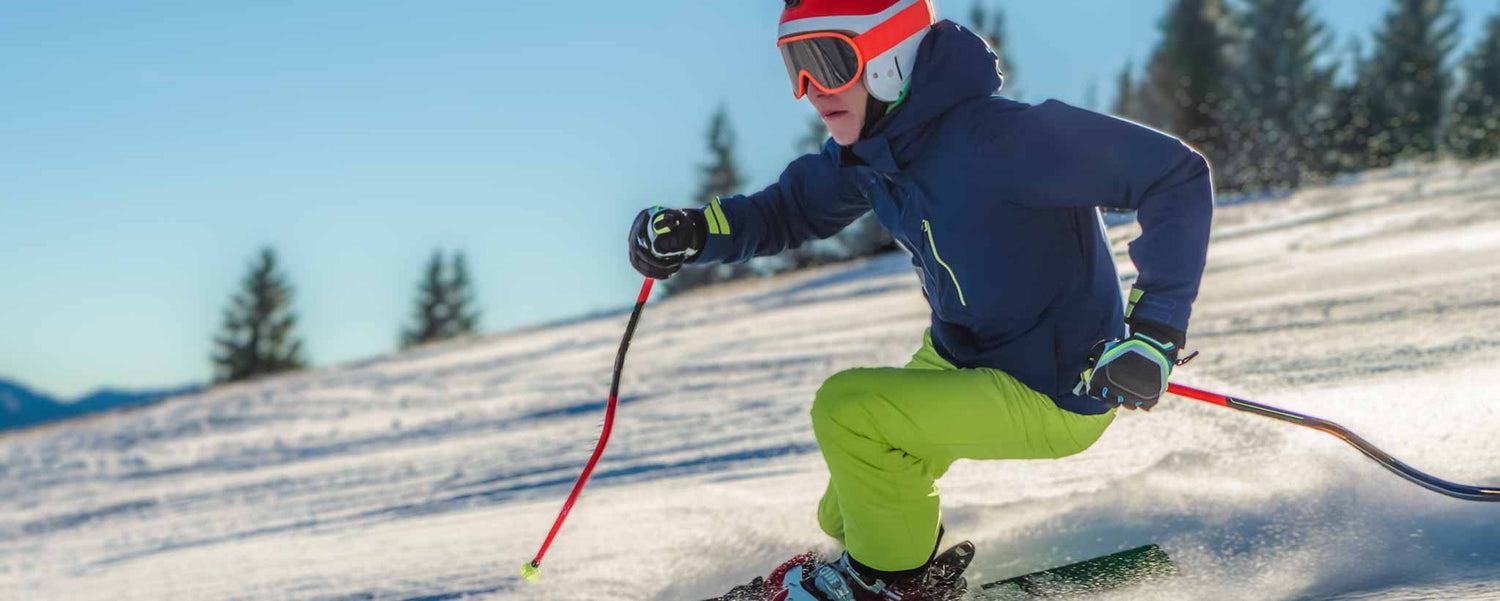
Learn how high-risk sports lead to serious injuries and why some thrill-seekers may overlook warning signs until danger goes too far.
Faster, Higher, Bigger
From action movies to active sports, Nancy and Adrian love anything that gives them a mental or physical jolt. Adrian is lounging in a recliner, playing a video game, when Nancy calls.
“Hey, dude. Spring’s starting, but there’s still snow on the mountaintops. Road trip? Skiing?”
“Hi, Nancy. I was thinking about boogie boarding.”
“We did that a couple of weeks ago.”
“Didn’t you enjoy it?”
“Sure. But I’m ready for bigger thrills. Besides, the water’s freezing.”
“I think snow is colder… but fine—let’s go skiing.”
Bump in the Road
Throughout the summer, the couple escalates their adventures: skateboarding, surfing, mountain climbing, motocross racing, bungee jumping, and skydiving. Minor scrapes and sprains become so common that they barely acknowledge them.
Until one day, an intense activity ends with a hard fall. Adrian breaks both legs and an arm, along with several contusions.
Dr. Alexander* enters the recovery room.

“Looks like you took quite a fall.”
Adrian grimaces. “You should’ve seen the other guy.”
Extreme Evaluation
“Joking aside,” the doctor continues, “your X-rays show this isn’t your first major injury. Want to tell me about that?”
“Not much to tell. No risk, no reward.”
“So—you’re a thrill-seeker?”
“You could say that.”
“Exercise is great,” Dr. Alexander says, “but the physical danger concerns me. You may develop chronic knee issues from your recent accident. Certain extreme-risk behaviors sometimes overlap with depression.” [1]
“If I were depressed, I wouldn’t be out enjoying these activities.”
“Maybe. But risky sports can become an outward form of self-harm.” [2]
He reviews high-risk sports and their known morbidity and mortality patterns. [3]
| Type of extreme sport or study | Years | Mortality rate |
|---|---|---|
| BASE jumping | 1981–2015 | More than 300 deaths worldwide. Wingsuit mortality is as high as 1/50 participants |
| Swedish BASE Jumping Study | 2002 | 1 fatality/60 participants; 1 death/ |
| Mei-Dan et al (Israel) | 2013 | 72% deaths or serious injuries, 43% serious BASE jumping injuries. Injury rate estimates of 0.2% to 0.4% per jump, and fatality rates of 0.04% per jump or 1.7% per participant and year |
| Sky diving | 2000–2016 | 1 death/ |
| Scuba diving, Divers Alert Network | 1970–2017 | 16.7 deaths/ |
| Rock climbing | 1998–2011 | 1 death/ |
| Skiing | 2011–2012 | 1 death/ |
| Free diving | 2006–2011 | 417 free diving accidents: 308 fatal, 109 nonfatal |
| Hang gliding, paragliding | 1993–2017 | In the US, 1 death/560 flights |
Adrian shrugs. “I wear protective gear. You should see the photos of me enjoying all those activities.”
“How much joy are you feeling today?”
“Point taken,” Adrian moans. “This is just… an exception.”
“At the very least, stay within your skill limits and follow trained instructors.”
“I do. Most of the time.”
“I’ll prescribe pain relievers and want to see you back in a few weeks. Before discharge, a mental health specialist from our pain-management team will ask you some questions.”
“I must have good insurance—to get an orthopedic surgeon and a psychiatrist.”
“She’s part of your care team. With injuries this extensive, you’ll benefit from a multidisciplinary approach.”
Second Thoughts
Nancy steps in, peeking cautiously through the doorway. “Knock, knock. Am I still welcome?”
“Sure. Come in. Don’t blame yourself. Blame the weather, the gear… or my coordination.”
“What did the doctor say?”
“As you can see—three casts and a couple of broken ribs.”
“Are you in much pain?”
“Probably. But it’s hard to tell with the IV meds.”
“When can you go home?”
“After I see a shrink.”
“Really?” Nancy’s eyes widen. “They think you’ve lost your mind?”
“I’m not sure. Maybe I have.”
“Why would you say that?”
“Maybe the risk has finally become bigger than the reward. I mean… where do we go from here?”
“I get it,” Nancy says softly. “Looks like I’ll be helping you pop wheelies in a wheelchair for a while.”
“Yep. And after that, probably a cane.”
“I’m sure you’ll push the limits during rehab.”


 Romance & Health Intertwine. Fall in love with a captivating romance miniseries that explores the essence of well-being. Become a ClinicalNovellas member for heartwarming tales.


He smiles. “I appreciate you sticking by me. This isn’t the best setting to ask, but… I can’t imagine anyone else I’d rather have as a wife.”
Nancy laughs. “Flattering. Let’s revisit that when you’re not heavily medicated.”
Enjoy more articles about fitness here, or explore ClinicalInsights or ClinicalNovellas. This character-driven ClinicalReads article pairs practical insight with the narrative style found in ClinicalNovellas membership fiction.
ClinicalPosters offers human anatomy charts, scientific posters, and other services that compliment articles about fitness. Slide extra posters into DeuPair Frames without removing from the wall. This character-driven ClinicalReads article pairs practical insight with the narrative style found in ClinicalNovellas membership fiction.
Show your support by leaving an encouraging comment to keep the research going. This character-driven ClinicalReads article pairs practical insight with the narrative style found in ClinicalNovellas membership fiction.
Support the writing of useful articles about fitness by exploring human anatomy charts, scientific posters, and other products online. You may sponsor specific articles. This character-driven ClinicalReads article pairs practical insight with the narrative style found in ClinicalNovellas membership fiction.
ClinicalPosters provides human anatomy charts, scientific posters, and other products that compliment useful articles about fitness. This character-driven ClinicalReads article pairs practical insight with the narrative style found in ClinicalNovellas membership fiction.
ClinicalPosters offers human anatomy charts, scientific posters, and other products online. This character-driven ClinicalReads article pairs practical insight with the narrative style found in ClinicalNovellas membership fiction.
You can sponsor useful articles about fitness or donate to further research. This character-driven ClinicalReads article pairs practical insight with the narrative style found in ClinicalNovellas membership fiction.
* The situational settings convey plausible outcomes which may not reflect the experiences of actual individuals.
FAQ: Staying safe while exploring extreme sports
Why do some people crave extreme sports?
High-risk activities can trigger adrenaline and dopamine surges that feel energizing or euphoric. Sensation-seeking personalities, a desire to test limits, or coping with stress can all contribute to an attraction toward extreme sports.
What injuries are common in high-risk recreational activities?
Extreme sports can lead to fractures, sprains, concussions, spinal cord injuries, drowning, altitude-related illness, and internal injuries. Risks increase when safety training, proper equipment, or environmental awareness are lacking.
How can thrill-seekers reduce their risk of serious harm?
Choose reputable instructors, use appropriate safety gear, stay within skill limits, avoid substances, and follow weather and terrain guidelines. Routine health checkups are also important before engaging in intense physical activities.