It’s something that affects most families. Discover what’s normal, when competition becomes unhealthy, and how to address it before lasting damage occurs.
The Genesis of Rivalry
Alex and Malcolm are close in age. As children, they spent more time together than with their parents, so they had a close bond. As they grew older, Malcolm, the younger, was intellectually gifted. After skipping a couple of grades, he caught up to Alex.
When teachers and parents began praising Malcolm, Alex grew jealous. Then Malcolm taught himself how to play the guitar, like he was some musical prodigy.

Alex focused on sports, but never enjoyed the attention of his brother. Instead of feeling happy for his brother’s accomplishments, a sibling rivalry developed.
One of the earliest recorded accounts of sibling rivalry appears in the Book of Genesis, where Cain kills Abel. Later biblical narratives—such as Joseph and his brothers—revisit the theme of jealousy rooted in perceived favoritism. [1]
Establishing Bonds and Boundaries
A childhood rivalry results in yelling and fighting that frustrates the parents. The father, who works as a college professor, seeks advice from staff members. A philosophy instructor highlights a developmental flaw.
“As each sibling grows, they endeavor to define individual personalities and abilities—a process that can amplify comparison if boundaries aren’t respected.” [2]
A psychology professor said that David Levy introduced the term “sibling rivalry” in 1941. The idea that a new child steals the attention from an existing one is a common view held till today. [3] The simple advice is to avoid favoritism or typecasting.
Rivalries that persist into adulthood—where independence, careers, and relationships are involved—can become more damaging. Siblings may avoid one another or disrupt family reunions. Physical altercations among those with more developed muscles can inflict more pain, with possible assault charges.


 Romance & Health Intertwine. Fall in love with a captivating romance miniseries that explores the essence of well-being. Become a ClinicalNovellas member for heartwarming tales.


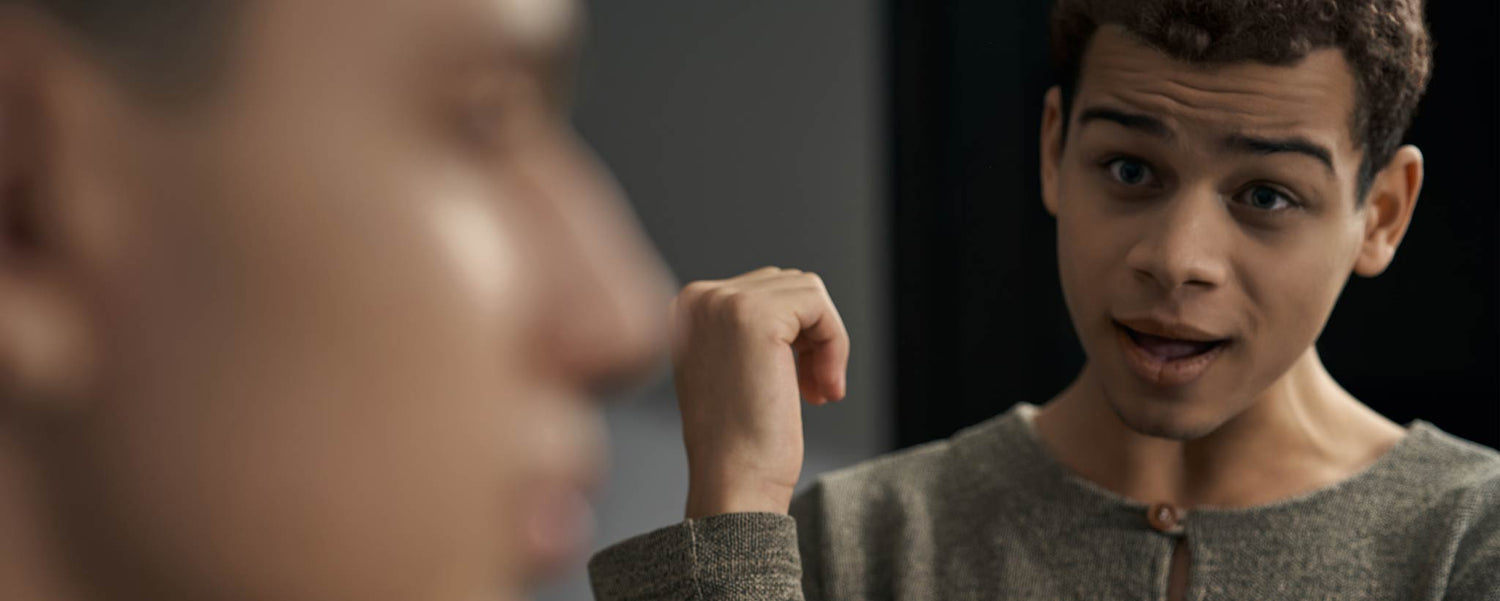
Where does this leave Alex and Malcolm? The father sits them down at the kitchen table and expresses his love for both of them equally. He assures them that he will support the sports endeavors as much as the music. But they must support each other as well. “After each triumph—or earnest effort—congratulate your brother. You share the same DNA. Pull each other up; don’t tear each other down.”
As Alex attempts to interrupt with accusations of favoritism, his father cuts him off. “You are both old enough to move out. Yet I’m putting a roof over your head. Anyone who can’t respect my guidelines can pay for their own place. I’ll even pay the deposit on the apartment. This rule stands regardless of how gifted he may appear, because sibling rivalry isn’t a gift.”
Enjoy more articles about relationships here, or explore ClinicalInsights or ClinicalNovellas. This character-driven ClinicalReads article pairs practical insight with the narrative style found in ClinicalNovellas membership fiction.
ClinicalPosters offers human anatomy charts, scientific posters, and other services that compliment articles about relationships. Slide extra posters into DeuPair Frames without removing from the wall. This character-driven ClinicalReads article pairs practical insight with the narrative style found in ClinicalNovellas membership fiction.
Show your support by leaving an encouraging comment to keep the research going. This character-driven ClinicalReads article pairs practical insight with the narrative style found in ClinicalNovellas membership fiction.
Support the writing of useful articles about relationships by exploring human anatomy charts, scientific posters, and other products online. You may sponsor specific articles. This character-driven ClinicalReads article pairs practical insight with the narrative style found in ClinicalNovellas membership fiction.
ClinicalPosters provides human anatomy charts, scientific posters, and other products that compliment useful articles about relationships. This character-driven ClinicalReads article pairs practical insight with the narrative style found in ClinicalNovellas membership fiction.
ClinicalPosters offers human anatomy charts, scientific posters, and other products online. This character-driven ClinicalReads article pairs practical insight with the narrative style found in ClinicalNovellas membership fiction.
You can sponsor useful articles about relationships or donate to further research. This character-driven ClinicalReads article pairs practical insight with the narrative style found in ClinicalNovellas membership fiction. Visible content is optimized for device size.
The situational settings convey plausible outcomes which may not reflect the experiences of actual individuals.
FAQ: Concerns about sibling rivalries
What is sibling rivalry?
It’s the natural competition, jealousy, and conflict that children within the same family often experience. These conflicts usually arise from their desire to secure parental attention, resources, or a sense of fairness.
Is all sibling rivalry dangerous?
No. The arguments over perceived differences can be part of a healthy developmental cycle, leading to stronger bonds later in life when they nurture conflict resolution.
When is sibling rivalry toxic?
Bitter teasing or fights that result in injury, and that last beyond teen years, can inhibit bonding or diminish self-worth and should be addressed early. If rivalry interferes with daily functioning, safety, or long-term self-esteem, professional guidance may be helpful.