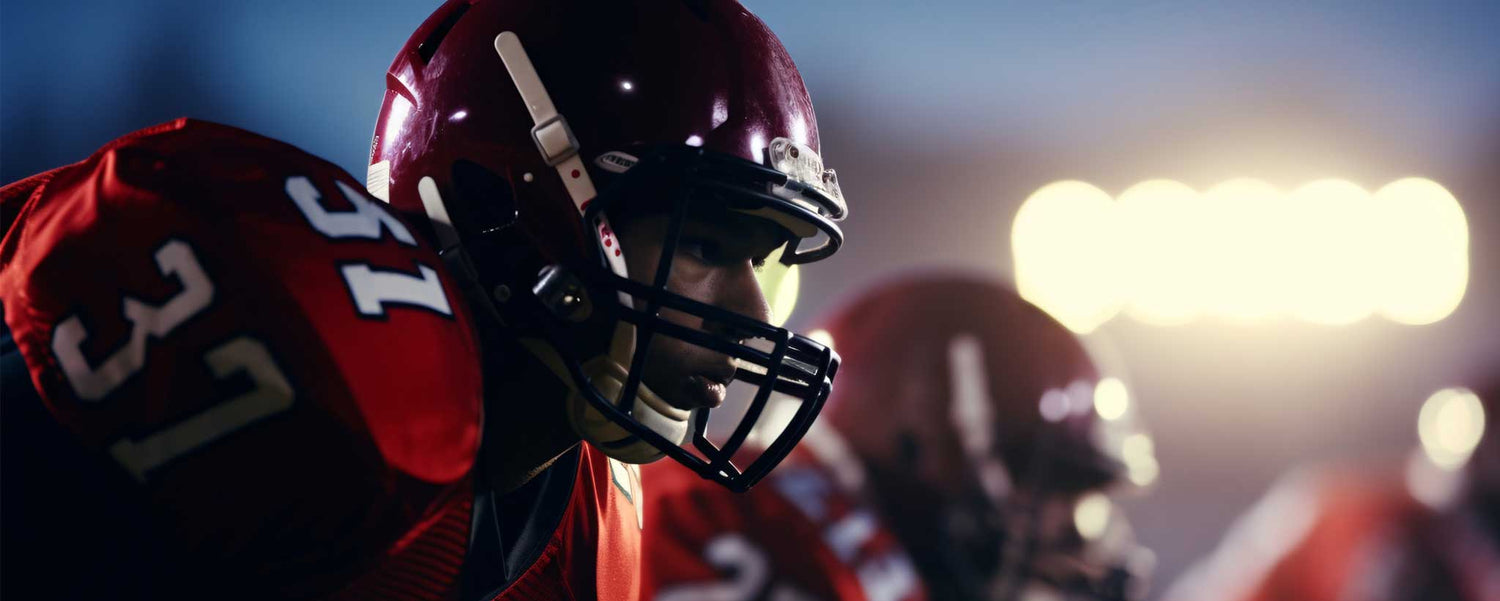
A quarterback experiences a devastating setback before a game—and learns how to adapt with the right support.
An Arm Like a Machine
The cheers during practice sound like a rival-school matchup. In reality, it’s just parents clapping and whistling from the bleachers.
On the field, coach Ryan motions to the quarterback for a private huddle. “Whatever play you call, you deliver with the precision of a vending machine selection. That’s a rare gift.”
“Thanks, coach. Any tips before the championship next month?”
“Make sure your guards give you enough time to place the ball exactly where you want it.”
“You got it. Anything else?”
“Call plays with at least one backup receiver when possible.”
“I won’t let you down.”
“Great. Now get out there and show me what you’ve got.”

During a routine play, Jackson gets sacked, going down harder than usual. His teammate extends his hand as the coach blows his whistle.
Jackson doesn’t get up right away.
His parents leap from the bleachers. A rush of questions collides with the medics’ instructions. Sirens replace applause as the ambulance heads toward the hospital.
A Brain Like No Other
The waiting room becomes the new bleachers. The vending machine is no longer a metaphor as hours tick by.
After examining CT scans, a neurologist moves briskly down the hallway and stops in front of Jackson’s parents.
“I’m Dr. Anderson. Your son is stable—but there’s brain damage.”
The father drops his coffee cup. “What kind of damages?”
“He’s coherent,” the doctor explains, “but he has memory loss.”
The father steadies his wife. “What doesn’t he remember?”
“It appears to be retrograde memory loss, affecting past details,” the neurologist says. “He doesn’t recall how he was injured—nor does he have any recollection of football.”
The father rubs his eyes, pacing before turning back. “Football is his life. It’s his path to college.”
The mother asks softly, “Can we see him?”
“Of course,” the doctor replies. “Some memory recovery is possible with rehabilitative therapy.”
As they walk toward the room, the neurologist elaborates.
Condition Spotlight
Retrograde vs. Anterograde Amnesia
Common Causes
- Traumatic brain injury
- Stroke
- Alcohol misuse
- Electroconvulsive therapy
- Psychological trauma (rare)
Typical Features
- Loss of memories
- Preservation of new learning in pure retrograde cases
“Anterograde amnesia affects the ability to form new memories after an injury,” the neurologist explains. “Retrograde amnesia affects memories from before the injury. This means Jackson can build new memories.”
He pauses. “I don’t anticipate a need for speech therapy. Occupational therapy is my recommendation.”
A Recovery Moving Forward
The mother embraces her son as the father lingers at the doorway.
“So the good news is… he’ll get better. Right?” the father asks.
“That’s the goal,” the doctor says. “There are no guarantees. His youth works in his favor. He may recover fragments—or he may need to relearn familiar routines.”

The father joins his wife, comforting their son.
The coach visits later, talking excitedly about the upcoming championship. The conversation doesn’t land. Jackson doesn’t recognize the plays—or his teammates.
On the night of the game, Jackson watches from the bleachers. He hopes something might spark recognition.
Nothing does.
Yet he finds himself enjoying the game—from a new perspective.


 Romance & Health Intertwine. Fall in love with a captivating romance miniseries that explores the essence of well-being. Become a ClinicalNovellas member for heartwarming tales.


As the season continues, Jackson becomes an inspiration—not by playing, but by learning. From the stands, he studies formations, strategies, and calls. He becomes a student of the sport he once lived for.
Even without the past, he proves something important:
Progress doesn’t always come from remembering—it can come from rebuilding.
Retrograde amnesia does not erase intelligence, personality, or the ability to grow. With appropriate therapy and support, individuals can adapt—sometimes discovering new strengths along the way.
Enjoy more articles about neurology here, or explore ClinicalInsights or ClinicalNovellas. This character-driven ClinicalReads article pairs practical insight with the narrative style found in ClinicalNovellas membership fiction.
ClinicalPosters offers human anatomy charts, scientific posters, and other services that compliment articles about neurology. Slide extra posters into DeuPair Frames without removing from the wall. This character-driven ClinicalReads article pairs practical insight with the narrative style found in ClinicalNovellas membership fiction.
Show your support by leaving an encouraging comment to keep the research going. This character-driven ClinicalReads article pairs practical insight with the narrative style found in ClinicalNovellas membership fiction.
Support the writing of useful articles about neurology by exploring human anatomy charts, scientific posters, and other products online. You may sponsor specific articles. This character-driven ClinicalReads article pairs practical insight with the narrative style found in ClinicalNovellas membership fiction.
ClinicalPosters provides human anatomy charts, scientific posters, and other products that compliment useful articles about neurology. This character-driven ClinicalReads article pairs practical insight with the narrative style found in ClinicalNovellas membership fiction.
ClinicalPosters offers human anatomy charts, scientific posters, and other products online. This character-driven ClinicalReads article pairs practical insight with the narrative style found in ClinicalNovellas membership fiction.
You can sponsor useful articles about neurology or donate to further research. This character-driven ClinicalReads article pairs practical insight with the narrative style found in ClinicalNovellas membership fiction. Visible content is optimized for device size.
The situational settings convey plausible outcomes which may not reflect the experiences of actual individuals.
FAQ: Understanding retrograde and anterograde amnesia
What is the difference between retrograde and anterograde amnesia?
Retrograde amnesia involves difficulty recalling events that occurred before an injury or illness, while anterograde amnesia is difficulty forming new memories after the event. Some people may experience elements of both, and evaluation by a specialist is recommended.
What causes retrograde amnesia?
Retrograde amnesia can follow traumatic brain injury, stroke, severe infection, oxygen deprivation, certain medical treatments, or intense psychological stress. The exact pattern and severity depend on which brain regions are affected.
How is retrograde amnesia diagnosed?
Diagnosis typically begins with a neurological evaluation and a detailed medical history. Brain imaging—such as CT scans or MRI—is often used to identify structural injury, bleeding, or other abnormalities. Cognitive and memory testing may help clarify which types of memory are affected.
Can lost memories ever come back after retrograde amnesia?
Some people regain portions of their memories over time, especially with rehabilitation and emotional support. Recovery varies widely and may be gradual, partial, or limited, depending on the nature and extent of brain injury.
How is retrograde amnesia treated?
There is no single cure for retrograde amnesia. Treatment focuses on rehabilitation, such as occupational therapy, cognitive exercises, and supportive counseling. The goal is to help individuals adapt, strengthen remaining memory skills, and maintain independence.
References
- National Institute of Neurological Disorders and Stroke. ninds.nih.gov/health-information/disorders/dementias
- Mayo Clinic: Amnesia. mayoclinic.org/diseases-conditions/amnesia/symptoms-causes/syc-20353360
- Cleveland Clinic: Amnesia. my.clevelandclinic.org/health/diseases/21455-amnesia
- Is TBI a Chronic Condition? aan.com/PressRoom/Home/PressRelease/5095
- MedlinePlus: Memory Loss. medlineplus.gov/ency/article/003257.htm