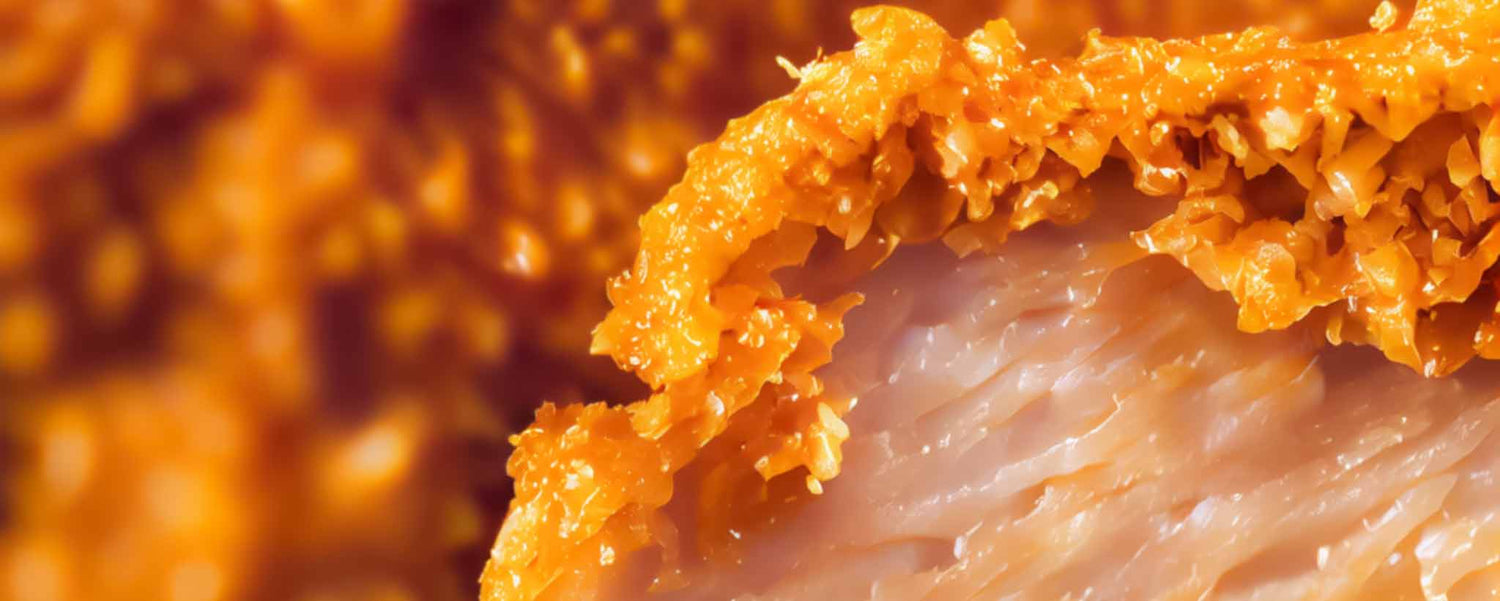
Aisha turns simple flour into affordable, high-protein meals. Learn how homemade seitan mimics meat textures while stretching a tight budget.
Meat, the Challenge
The brutal warring in Aisha’s homeland causes daily distress. She’s grateful to have escaped and built a safer life for her family, but the suffering of her relatives and neighbors weighs heavily on her heart.
Every morning, she scans the news and posts messages on social media. One day, a recipe video catches her eye—someone demonstrating how to turn basic relief ingredients like flour, rice, and beans into nourishing meals. What surprises her most is that protein from flour can be transformed into a meat-like food.

Seitan. She’s seen it at the supermarket, but it’s usually pricier than the meat she already struggles to afford.
Her family has grown tired of beans, salads, flatbreads, and meatless dumplings like Shish Barak. Aisha buys a large bag of flour and decides to learn how to make seitan at home. Not only does it mimic the chew of meat, but there are countless recipes to simulate chicken, beef, shrimp, or even turkey.
She quickly learns a truth the videos gloss over: Not all flour is the same.
- Vital wheat gluten is the premium base—about 75% protein and ideal for firm, elastic seitan.
- Bread flour is cheaper (about one-third the price) but only ~14% protein, requiring long rinsing to wash out starch.
- A good compromise is 1 cup bread flour + ¼ cup vital wheat gluten for a meatier chew.
- All-purpose flour works but needs even more washing.
- Brown rice flour can make a gluten-free version, though it lacks protein and chew.
- Some recipes add chickpeas, lentils, psyllium husk, or protein powder for structure.
On a strict budget—and thinking of those at home who lack premium ingredients—Aisha buys a 5-pound bag of bread flour and blends it with chickpea flour for more volume and protein. She won’t achieve the dense “beef” texture possible with pure vital wheat gluten, but with time and patience, she can replicate chicken.
Slaughtering the Flour
Seitan can be mixed by hand or in a stand mixer. A mixer is easier for large batches, but for a two- to five-minute kneading, strong hands work fine. The goal is to activate gluten without overworking it, which leads to rubbery results.
Basic Steps
- Knead the flour and water.
- Let the dough rest for at least an hour.
- Rinse out the starch.
- Braid or fold and let it rest.
- Mix dry and wet seasonings separately.
- Pre-cook (simmer, bake, grill).
- Let it hydrate in broth.
When using less expensive flour, the rinsing phase alone can take an hour and up to six washes. Higher-protein flour requires fewer rinses—sometimes one-third as many. Altogether, expect to spend at least five hours from start to finish unless you use a pressure cooker to speed the cooking phase.
Aisha plans to batter and fry chik’n pieces. If the batch fails, she’ll make chicken salad instead. She sets aside a full day, following an online tutorial, so she can serve the dish the next evening.
Family Reactions
During dinner, Aisha asks whether the family would consider meat substitutes to stay within budget. They hesitate, saying they’d miss her flavorful cooking.
Her husband smiles sheepishly. “Honestly, I thought we became vegetarians before today. I kind of prefer meat like this—if it’s in the budget.”
She hides her grin, saving the reveal for later.


 Romance & Health Intertwine. Fall in love with a captivating romance miniseries that explores the essence of well-being. Become a ClinicalNovellas member for heartwarming tales.


Over the next month, she experiments with different blends and techniques, dialing in textures for various dishes. She even learns to reuse the rinsed starch to make vegan bacon. One night over dinner, her husband finally asks how she managed to increase the amount of “meat” on the same tight budget.
That’s when she confesses: They’ve been eating meat substitutes for weeks—none of it real meat.
Enjoy more articles about nutrition here, or explore ClinicalInsights or ClinicalNovellas. This character-driven ClinicalReads article pairs practical insight with the narrative style found in ClinicalNovellas membership fiction.
ClinicalPosters offers human anatomy charts, scientific posters, and other services that compliment articles about nutrition. Slide extra posters into DeuPair Frames without removing from the wall. This character-driven ClinicalReads article pairs practical insight with the narrative style found in ClinicalNovellas membership fiction.
Show your support by leaving an encouraging comment to keep the research going. This character-driven ClinicalReads article pairs practical insight with the narrative style found in ClinicalNovellas membership fiction.
Support the writing of useful articles about nutrition by exploring human anatomy charts, scientific posters, and other products online. You may sponsor specific articles. This character-driven ClinicalReads article pairs practical insight with the narrative style found in ClinicalNovellas membership fiction.
ClinicalPosters provides human anatomy charts, scientific posters, and other products that compliment useful articles about nutrition. This character-driven ClinicalReads article pairs practical insight with the narrative style found in ClinicalNovellas membership fiction.
ClinicalPosters offers human anatomy charts, scientific posters, and other products online. This character-driven ClinicalReads article pairs practical insight with the narrative style found in ClinicalNovellas membership fiction.
You can sponsor useful articles about nutrition or donate to further research. This character-driven ClinicalReads article pairs practical insight with the narrative style found in ClinicalNovellas membership fiction. Visible content is optimized for device size.
The situational settings convey plausible outcomes which may not reflect the experiences of actual individuals.
FAQ: Tips for preparing and enjoying homemade seitan
What exactly is seitan made from?
Seitan is made from wheat gluten, the main protein in wheat. Flour dough is washed to remove starch, leaving a stretchy, protein-rich mass that can be seasoned and cooked to mimic the texture of meat.
Is seitan a healthy protein choice for everyone?
Seitan can be a high-protein, low-fat option for many people, especially those following plant-based diets. However, it is not suitable for anyone with celiac disease or gluten sensitivity, and portion size should still fit within a balanced diet.
How can I make homemade seitan taste more like meat?
Flavor comes from seasoning and cooking methods. Using vegetable broth, soy sauce, herbs, spices, and marinades—then baking, simmering, or pan-frying—can create textures and flavors reminiscent of chicken, beef, or other meats.