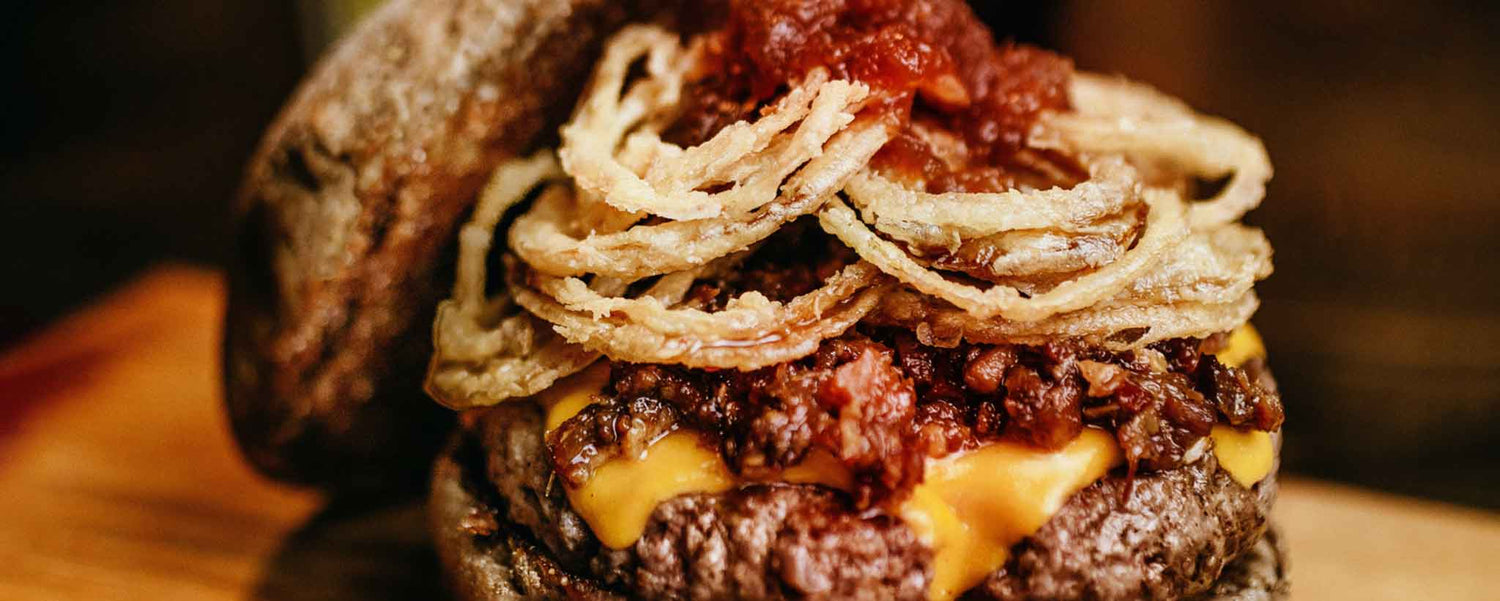
The best burgers in the city are under your roof. Shop practical and make healthy versions in your kitchen to improve health and save money.
Publish 22 March 2022
Guilty Pleasures
Do you go out to eat something you can easily prepare at home? Nearly everyone can make a burger. It is one of the first things children learn to cook. Because we know what to expect from a basic burger, it seems logical when we are out and about to buy one at a restaurant.
As the price of burgers rises north of $16, reassessment is necessary. The most expensive burgers in the United States range from $29 to $5000! For twenty bucks, you can purchase enough ingredients from the supermarket to prepare four to six great burgers at home.
In your kitchen, you cater to personal tastes. Your protein may be lean meat, turkey, or vegan patties. Add grilled onions, heirloom tomato, avocado, butter leaf lettuce, cole slaw, sourdough bread, or whole wheat bun.
Where’s The Beef?
It is possible to go overboard with sauces, chili, bacon, and cheese. At this point, the sodium and calorie count can exceed that of fast-food restaurant burgers. The goal of preparing burgers at home is to make them more affordable and healthier. So use high-quality bread and go easy on the condiments and extra fixings.

Juicy beef burgers contain at least 20% animal fat. The fat is the juice. To retain it, don’t press down on it with a spatula. Too much animal fat can increase cholesterol.
For a healthier burger, have the butcher grind select lean cuts of meat. Blend this with coconut oil. Turkey burgers are also leaner cuts of meat with less animal fat.
Plant-based burgers from Impossible Foods or Beyond Meat rival animal burgers in taste and texture. They include coconut oil for juiciness. At $2–3 per patty, they are more expensive than frozen puck-like veggie burgers or beef.
Membership warehouses may sell them for less in bulk. Either way, you are still less than the premium $16 burgers at restaurants.
Crispy Side Dish
What is the most common side dish with burgers? You said it, french fries! Did you know you can make healthier fries in the oven? Slice them as usual, and drizzle them with olive oil. Add salt and pepper before laying down one layer in a hot iron skillet. Bake at 425°F for 15–20 minutes before turning for another 10–15 minutes.
Alternatively, cook fresh sliced potatoes drizzled with oil and salt in an air fryer for about 15 minutes. They come out crispy on the outside and moist on the inside with far less oil.
You know that is a better alternative? Frequently served with hot wings—it’s sliced carrots! No, they don’t taste like french fries, but they make a good crunchy substitute. Skip the ranch dressing. Instead, slice them up and store them in an airtight container in your refrigerator until cold. This keeps them from drying out. Yum—moist and crispy.
Now, if you are on a business or family vacation, it is not practical to fire up a hot plate in your hotel. So you might splurge. But when you are near home, it is best to have a plant-based burger with carrot sticks to reduce cholesterol, as well as the strain on your pocketbook.