Why intentional grammar breaks can strengthen character voice—and how writers can prevent grammar tools from undermining authentic storytelling.
Flawless Speech is Unrealistic
Growing up, I used to wonder why my own speech didn’t flow like the actors on television. Everyone seemed articulate. Conversations felt perfectly timed. No one stumbled over words.
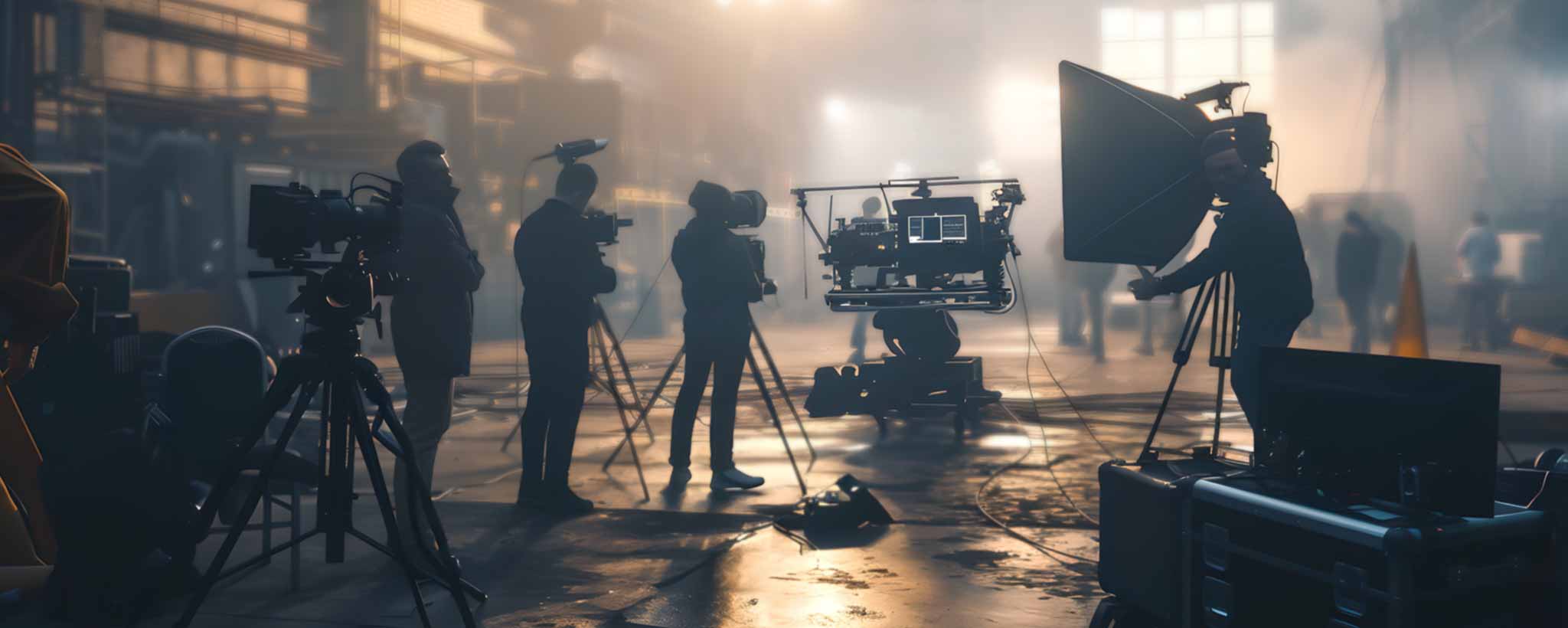
Later, I learned the obvious truth: it was scripted—and edited.

In real life, few people speak flawlessly. Conversations wander. People interrupt themselves. They trail off. They misuse words, shorten sentences, or speak in fragments. And those imperfections are not mistakes—they’re identifiers.
Voice Is Not an Error
When modeling believable characters, storytellers often intentionally bend grammar rules. A fictional character may speak with:
- a regional accent,
- a speech impediment,
- limited formal education,
- emotional regression under stress,
- or a conversational rhythm shaped by culture or class.
These traits create instant character recognition. Readers can often identify who is speaking without dialogue tags—simply by how the words appear.
Contractions, ellipses, sentence fragments, and slang aren’t signs of weak writing. Used deliberately, they’re tools of realism.
Character Voice vs. Narrative Voice
The key distinction is separation.
A narrator may speak with precision, while a character does not. One character may sound polished, another clipped, another rambling. Their differences reflect background, education, confidence, and emotional state.
When Tools Work Against Craft
Modern grammar and spell-checking tools are excellent at enforcing uniformity—but consistency is not always the goal of storytelling.
A character might say:
“Me and you ain’t gonna have no problems… is we?”
A grammar checker might flag nearly every word or suggest reordering the sentence structure.
A human reader, however, immediately understands the social register. That sentence is doing work.
The Predictive Text Trap
Predictive text doesn’t wait for an error—it anticipates one.
As in the following example, it may insert a word or phrase before the writer finishes the thought.
Author’s intent:
“The recipe for success is…”
Predictive result:
“The recipe for cookies is successful…”
This creates a quiet moment of confusion:
“When did I become Martha Stewart?”
This is not a grammar failure, but an automated authorship failure.
For storytellers who intentionally bend language to create authentic dialogue, this distinction matters. Tools can validate correctness, but only the writer can validate voice.
Writing With Intent, Editing With Awareness
Strong storytelling comes from understanding the difference between:
- careless errors, and
- deliberate voice choices.
The storyteller’s job is to decide which rules matter—and when breaking them serves the story better than obeying them.
Because in real life, no one speaks like an edited screenplay. And if every character does, readers can sense the artifice.
Imperfection, handled with intent, is often what makes a story feel real.
FAQ: Writing with voice and intent
Is breaking grammar rules considered poor writing?
No. When done intentionally, bending grammar rules can strengthen character voice and realism. The key distinction is whether the deviation serves the story or results from carelessness.
How can writers distinguish between intentional voice and actual errors?
Intentional voice remains consistent and purposeful within a character’s dialogue, while true errors often disrupt clarity, introduce unintended meanings, or contradict established speech patterns.
Do grammar and spell-checking tools understand character voice?
Not always. Automated tools prioritize correctness and consistency, which can conflict with dialogue written to reflect dialect, emotion, or social background.
Should writers disable predictive text or grammar tools?
Some writers do. Others keep tools enabled, but proofread carefully. The goal is not rejecting assistance, but ensuring tools don’t override authorial intent.
Why does this matter for storytelling?
Because authentic dialogue helps readers bond with characters. Perfect grammar may read as artificial, while controlled imperfection can make a story feel human.